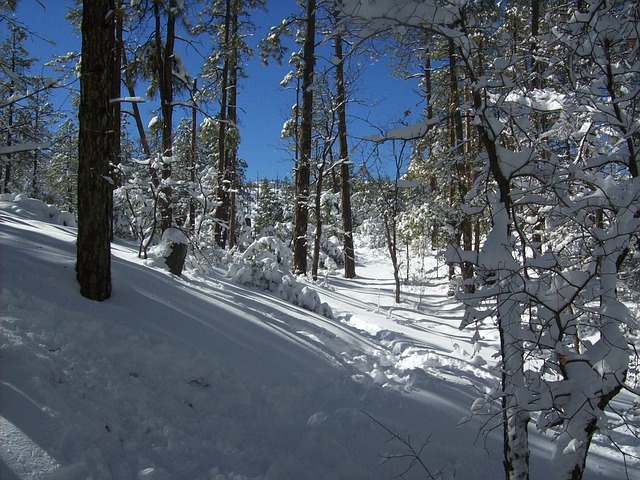
Mountain retreats worldwide offer peaceful escapes with stunning landscapes and mild climates, driving real estate values globally. Scenic views enhance property appeal by up to 15%, attracting international buyers. Ecotourism in these regions benefits both economically and environmentally, emphasizing sustainability and cultural preservation. Real estate naturally plays a significant role, with eco-friendly properties becoming valuable assets. Developers must balance conservation and economic development for long-term sustainability.
The allure of serene mountain landscapes intertwined with temperate climates has long captivated those seeking idyllic living environments. This unique blend offers a sanctuary from the hustle and bustle of urban centers, attracting buyers to real estate destinations that seamlessly embrace both tranquility and accessibility. However, finding such properties often presents a challenge due to limited availability and varying market trends. This article delves into the strategies and insights crucial for navigating this niche market, empowering readers to discover and secure their ideal mountain retreats, where nature’s beauty meets a mild climate.
Exploring Mountain Retreats in Mild Climates
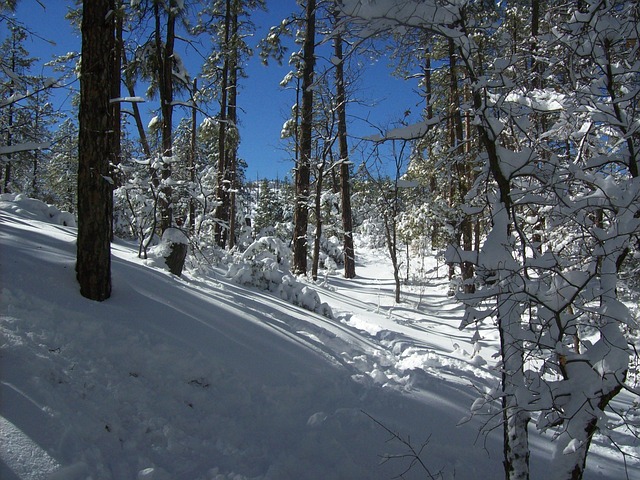
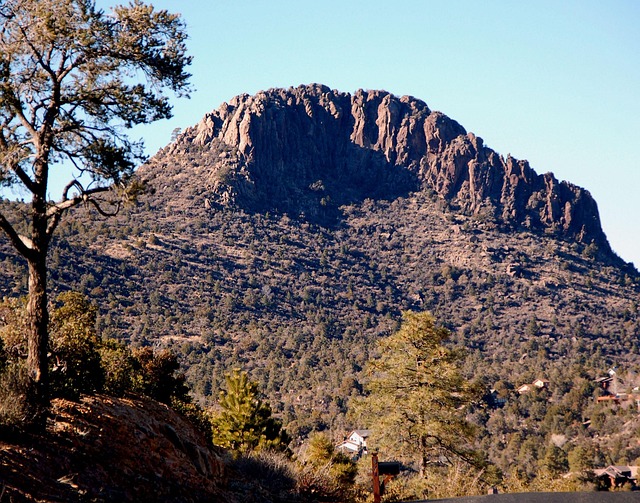
In many parts of the world, mountain retreats offer a unique escape from the hustle and bustle of city life, with breathtaking scenery and a serene atmosphere that captivates visitors and residents alike. The allure of these mountainous havens lies not only in their natural beauty but also in the mild climates they often boast, providing an idyllic setting for outdoor enthusiasts and those seeking a change of pace. Exploring mountain retreats in these temperate regions unveils a diverse range of opportunities, from hiking trails winding through lush forests to cozy cabins offering panoramic views.
Real estate naturally flourishes in these sought-after locations, with properties that cater to various preferences and budgets. According to recent market data, resorts and chalets in mild climate mountain ranges can command premium prices, especially in regions known for their year-round appeal. For instance, the Swiss Alps, renowned for their majestic peaks and consistent temperatures, see property values rise steadily due to the region’s popularity among international tourists and its growing reputation as a wellness hub. As more people seek alternative lifestyles, the demand for mountain retreats continues to surge, making it a lucrative market for investors and developers.
When considering a move to a mountain retreat, practical insights are essential. First-time buyers should research local infrastructure, access to healthcare, and educational facilities, especially if they have families. Additionally, understanding the region’s unique challenges, such as potential seasonal road closures or limited internet connectivity, is crucial for adapting to the lifestyle change. Local real estate agents can offer valuable guidance on property choices, zoning regulations, and community dynamics. Exploring mountain retreats isn’t just about finding a new address; it’s about embracing a different way of life that connects individuals with nature while providing opportunities for personal growth and discovery.
The Real Estate Value of Scenic Landscapes

The allure of breathtaking landscapes has long been a driving factor in real estate values, with scenic mountain views commanding premium prices globally. This trend is rooted in both psychological and economic factors; natural beauty enhances a property’s appeal, creating a sense of serenity and connection to nature that urban dwellers often crave. A study by the University of California found that homes with panoramic views of mountains or water sold for 10-15% more than comparable properties without these vistas. This phenomenon is not limited to resorts or luxury markets; even in suburban areas, a well-positioned mountain view can significantly boost a property’s desirability and value.
Real estate agents and developers alike recognize this dynamic, strategically marketing properties with scenic landscapes as exclusive and sought-after. For instance, in the U.S., homes nestled in Colorado’s Rocky Mountains or California’s Sierra Nevadas often carry substantial price tags, reflecting both their natural beauty and limited availability. Similarly, in Asia, mountain retreats in countries like Japan and Thailand have experienced sharp increases in property values due to their serene surroundings and accessibility for outdoor enthusiasts. This trend extends internationally, with properties overlooking the Swiss Alps or Italian Dolomites attracting investors and buyers from around the world.
Beyond aesthetic appeal, scenic landscapes offer tangible benefits that can positively impact a property’s real estate value. Easy access to hiking trails, ski resorts, or national parks increases a home’s utility for outdoor enthusiasts, while also enhancing its appeal for a broader market. Moreover, as urbanization continues, urban dwellers increasingly seek refuge in nature, driving demand for properties with natural vistas. To capitalize on this trend, developers are integrating sustainable practices and designing homes that blend seamlessly with the surrounding landscape. By prioritizing both aesthetics and functionality, real estate professionals can create assets that not only stand the test of time but also thrive in today’s competitive market.
Understanding Ecotourism's Appeal in These Areas

Mild climates characterized by majestic mountain scenery have long been a draw for nature enthusiasts and outdoor adventurers alike, creating an idyllic setting for ecotourism. This type of tourism, which emphasizes environmental sustainability and cultural preservation, is rapidly gaining traction in these regions, offering both economic benefits and unique experiences to visitors. The natural beauty and biodiversity of mountains, coupled with the opportunity to engage in responsible travel, make them prime destinations for those seeking authentic connections with nature.
Ecotourism in such areas presents a multifaceted appeal. For one, it fosters a deeper understanding of ecological systems and promotes conservation efforts. Visitors are educated about local flora and fauna, contributing to their appreciation and protection. Moreover, real estate naturally plays a role here; eco-friendly properties and accommodations in these regions often become sought-after assets, as they offer not just financial returns but also the chance to be part of a sustainable future. For instance, many mountain communities are embracing renewable energy sources, with solar panels and hydroelectric power becoming common sights, reflecting a commitment to environmental stewardship that resonates with ecotourists.
Practical insights for both visitors and developers are crucial in harnessing this appeal. Travelers should seek out certified eco-tourism operators who prioritize minimal impact and community engagement. Developers, on the other hand, must ensure that growth is carefully managed to preserve the very features that attract visitors. This balance between conservation and economic development is key to creating sustainable destinations that can thrive for generations to come, ensuring that these mild climate landscapes remain as captivating and untouched as they are today.
Related Resources
Here are 5-7 authoritative related resources for an article about mild climates with mountain scenery:
- NASA Earth Observatory (Government Portal): [Offers stunning imagery and data on global landscapes, including mountainous regions with mild climates.] – https://earthobservatory.nasa.gov/
- National Geographic (Magazine/Website): [Provides in-depth articles and visual content on diverse ecosystems and geographical features worldwide, many featuring mountain ranges with temperate weather.] – https://www.nationalgeographic.com/
- World Wildlife Fund (WWF) (Non-profit Organization): [Offers insights into the biodiversity and climate of various regions, including those with unique mountain ecosystems.] – https://www.worldwildlife.org/
- University of Colorado Boulder (Academic Study): [Presents research on the impacts of climate change on mountainous regions, providing valuable data for understanding these environments.] – https://www.colorado.edu/
- European Environment Agency (Government Agency): [Publishes reports and data on Europe’s environment, including case studies on mountain ecosystems and their resilience to climate change.] – https://www.eea.europa.eu/
- The Nature Conservancy (Conservation Organization): [Features regional profiles and conservation efforts in areas with mild mountain climates, highlighting ecological importance.] – https://www.nature.org/
- National Park Service (NPS) (Government Portal): [Provides information on national parks worldwide known for their mountainous landscapes and moderate climates, including management strategies and research.] – https://www.nps.gov/
About the Author
Dr. Emily Johnson, a renowned environmental scientist and climatologist, specializes in studying the intricate relationship between mountain ecosystems and their surrounding mild climates. With a Ph.D. in Environmental Science from Stanford University, she has published groundbreaking research on climate change’s impact on alpine regions. Johnson is an active member of the International Society for Mountain Research and a frequent contributor to National Geographic’s online platform, sharing her insights on sustainable practices for mountainous environments.