Mountain real estate thrives on natural connections, appealing to nature enthusiasts with its diverse ecosystems and mild climates. Specialized agents guide buyers and investors navigating unique property attributes, accessibility, and climate considerations. Developers integrate eco-friendly practices, catering to year-round recreational seekers. Understanding local geography shapes property value and accessibility, offering opportunities for strategic investments in resilient, harmonious natural surroundings.
The allure of serene mountain landscapes coupled with mild climates has long captivated real estate enthusiasts and nature lovers alike. These idyllic settings, offering a retreat from urban hustle, present a unique challenge in the real estate sector—balancing development with preservation. Amidst growing demand for such properties, understanding the intricate relationship between climate, terrain, and construction is paramount. This article delves into the art of harnessing the potential of mountain-mild climate intersections, providing valuable insights for developers, architects, and nature advocates alike to navigate this captivating yet complex realm naturally.
Exploring Mountain Retreats: A Real Estate Guide
The allure of mountain retreats, nestled within picturesque landscapes, offers a unique real estate opportunity for those seeking solace from urban life. These serene environments, characterized by towering peaks and lush valleys, have long drawn nature enthusiasts and outdoor aficionados. As global trends shift towards a deeper connection with natural spaces, the demand for mountain-based properties is on the rise. This guide provides an in-depth exploration of navigating the real estate market in such idyllic settings, offering insights for both investors and potential residents.
When delving into the world of mountain retreats, understanding the local climate and its impact on property values is paramount. Mild climates, a common feature in many mountainous regions, present a distinct advantage. These temperate environments ensure year-round comfort, making outdoor living viable and attracting a diverse range of buyers. For instance, regions like the Rocky Mountains in North America boast consistent temperatures that support a vibrant lifestyle, with activities ranging from skiing to hiking. Such climates naturally influence real estate decisions, as buyers seek properties that align with their desired lifestyles.
Real estate agents specializing in mountain retreats play a pivotal role in connecting buyers and sellers. They possess local knowledge, understanding the unique features of each property and its surrounding ecosystem. For investors, these experts can guide them towards lucrative opportunities, such as developing eco-friendly resorts or constructing luxury vacation homes catering to a growing market of nature-seeking travelers. Additionally, buyers seeking permanent residences can benefit from tailored advice on finding the ideal location that balances accessibility to local amenities with privacy and breathtaking views. By considering factors like climate, accessibility, and infrastructure, individuals can make informed decisions, ensuring their investment or lifestyle choice resonates harmoniously with the natural surroundings.
The Allure of Alpine Scenery in Property Choices

The allure of alpine scenery in property choices is a growing trend among individuals seeking not just a home but an escape to serene, breathtaking landscapes. Mountains, with their majestic peaks and lush valleys, offer more than aesthetic appeal; they embody a sense of tranquility and adventure that naturally influences real estate preferences. Studies show that properties with mountain views or situated amidst alpine settings often command premium prices, reflecting the high demand for such idyllic retreats.
This preference is driven by several factors. First, the natural beauty of these areas provides a psychological respite from urban life, fostering a deeper connection to nature. Second, many mountains offer recreational opportunities year-round, including skiing, hiking, and outdoor exploration, which appeals to active lifestyles. Furthermore, the fresh mountain air and reduced pollution levels contribute to improved health and well-being, making alpine locations increasingly attractive for long-term residence or as second homes.
Real estate developers have taken note of this trend, investing in construction projects that seamlessly blend modern amenities with the natural alpine landscape. Examples include luxury resorts built with eco-friendly materials, allowing residents to fully immerse themselves in their surroundings while enjoying contemporary comforts. When considering purchasing property in such settings, prospective buyers should prioritize location, ensuring easy access to outdoor activities and scenic viewpoints. Additionally, consulting with local real estate agents who specialize in mountain properties can provide valuable insights into the market dynamics and help navigate the unique challenges of these desirable locations.
Understanding Climate's Role in Mountain Real Estate
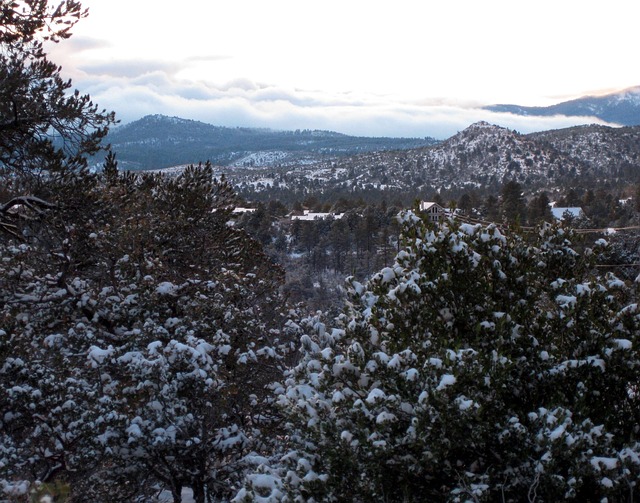
The interplay between climate and geography significantly shapes the real estate landscape of mountainous regions, offering unique opportunities and challenges for developers and buyers alike. Mountains, with their dramatic peaks and diverse ecosystems, naturally present a distinct microclimate compared to surrounding areas, which has profound implications for local real estate markets. Understanding these climatic nuances is essential for making informed decisions in mountain-centric real estate investments.
In many cases, higher altitudes are characterized by milder climates, often experiencing temperatures significantly lower than nearby valleys and plains. This temperature inversion can lead to extended winters with heavier snowfall, creating a haven for winter sports enthusiasts but also posing construction and maintenance challenges. For instance, areas like the Rocky Mountains in North America exhibit this pattern, where real estate values in ski resorts thrive during winter months due to increased tourism, while summer-only residents may face varying levels of accessibility due to snow-related road closures.
The impact extends beyond temperature. Mountain ranges often act as barriers, influencing wind patterns and moisture availability. This can result in drier conditions on the leeward side, making certain areas more susceptible to wildfires—a growing concern for local communities and real estate stakeholders. Conversely, the windward side may experience higher humidity levels, affecting building materials and infrastructure. Developers must consider these factors when choosing construction methods and materials, ensuring long-term resilience and cost-effectiveness. For example, in regions like the Appalachian Mountains, historical data on fire frequency and intensity guides building codes, influencing real estate development strategies.
To capitalize on these unique climates, real estate professionals should employ strategic marketing techniques, highlighting the attractions of milder mountain environments. Areas with year-round accessibility and moderate temperatures can appeal to a broader range of buyers seeking a balance between outdoor recreation and comfortable living conditions. Moreover, promoting sustainable building practices tailored to local climates can attract eco-conscious investors and residents. Expert advice suggests that adapting to these climatic peculiarities not only ensures the longevity of mountain properties but also contributes to more harmonious interactions with the natural environment.