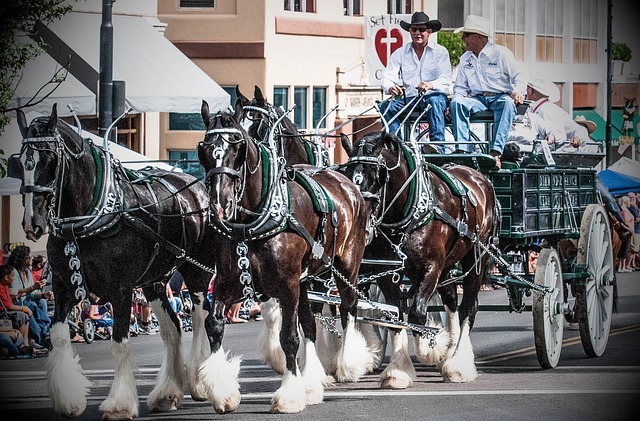
Revitalizing downtown areas through active arts scenes enhances communities by transforming neglected spaces into cultural hubs. This attracts diverse residents, increases foot traffic, stimulates local economies, and boosts property values, making downtown living more desirable. Real estate developers convert underutilized spaces into modern workspaces that blend historical charm with contemporary functionality, as seen in cities like Austin and Brooklyn. Historic building conversions into art galleries and creative workspaces foster community bonds, enhance local culture, and encourage collaboration and creativity, contributing to economic vitality and urban renewal. Prioritizing cultural spaces in urban development strategies ensures thriving communities through art and collective experience.
The vibrant arts scene and charming downtown areas of many cities have long been recognized as integral components of their identity and economic success. As real estate becomes increasingly competitive, understanding the symbiotic relationship between these cultural hubs and property values is crucial for both urban planners and investors. This article delves into the impact of an active arts scene on local real estate markets, exploring how artistic engagement can drive economic growth, enhance quality of life, and significantly influence the desirability and value of nearby properties. By examining case studies and expert insights, we offer valuable perspectives for cities aiming to cultivate thriving cultural centers that naturally attract investment in their surrounding real estate.
Revitalizing Downtown: The Arts Impact

Revitalizing downtown areas through an active arts scene has proven to be a powerful catalyst for positive change in many communities. The artistic energy injects new life into historic districts, transforming them from neglected spaces into vibrant hubs of cultural activity. This process not only enhances the aesthetic appeal of the area but also significantly impacts real estate markets and local economies.
An influx of galleries, performance venues, and creative businesses attracts a diverse range of residents—from artists to young professionals—who contribute to a dynamic urban environment. This shift in demographics can lead to increased foot traffic, stimulating local retail and restaurant industries. Moreover, the artistic ambiance raises property values, making downtown living more desirable. According to recent studies, cities with thriving arts scenes experience higher rates of commercial real estate development and renovation within their central business districts.
To harness these benefits, urban planners and community leaders must collaborate closely with artists and cultural organizations. Developing public art installations and hosting regular festivals not only beautifies the downtown but also encourages engagement from both residents and visitors. Offering incentives for artistic businesses to set up shop, such as tax breaks or subsidized rent, can accelerate the revitalization process. By fostering a diverse and thriving arts scene, cities can create a unique identity that sets them apart in the competitive global market, ultimately enhancing their overall appeal and economic sustainability.
Real Estate Trends in Creative Hubs
The dynamic interplay between an active arts scene and a quaint downtown area often creates a unique real estate environment where creativity thrives. In recent years, many cities have witnessed a significant trend—the transformation of historic or underutilized spaces into vibrant hubs for artists, musicians, and cultural entrepreneurs. This shift has profound implications for the local real estate market, attracting both investors and individuals seeking to be part of these burgeoning creative communities. For instance, downtown areas in cities like Austin, Texas, have experienced a surge in demand for lofts and converted warehouses, reflecting a growing desire for spaces that foster artistic expression and collaboration.
Real estate developers and investors are increasingly recognizing the potential of converting older buildings into modern, flexible workspaces designed to meet the diverse needs of creative professionals. This trend is not merely about aesthetics; it involves strategic planning and adaptive reuse, ensuring that these spaces seamlessly blend historical charm with contemporary functionality. For example, in cities like Brooklyn, New York, Victorian-era homes are being meticulously restored, offering artists and startups spacious studios and offices within walking distance of vibrant cultural hotspots. Such transformations not only preserve architectural heritage but also create diverse, thriving neighborhoods where creativity becomes a central driver of economic growth.
To capitalize on this trend, real estate agents and property managers must stay attuned to the unique needs of artistic communities. This involves understanding the specific requirements for studios, galleries, and live-work spaces, as well as fostering relationships with local artists and cultural organizations. By offering tailored services and amenities that cater to creative professionals, landlords can attract and retain tenants who contribute to the vibrancy of the downtown area. Moreover, staying informed about local zoning regulations and historical preservation guidelines is crucial to ensure compliance and avoid potential delays or disputes during development or renovation projects.
Fostering Community through Cultural Spaces
The vibrant arts scene of a quaint downtown area serves as a powerful catalyst for fostering community bonds and enhancing local culture. These cultural spaces, naturally integrated into the fabric of urban real estate, play a pivotal role in bringing people together and enriching the overall quality of life. For instance, consider the transformation of many historic buildings into art galleries, performance venues, and creative workspaces. Such conversions not only preserve architectural heritage but also cultivate an environment conducive to artistic expression and social interaction.
Community engagement is fostered through diverse programming that caters to all ages and interests. Local art festivals, street performances, and gallery openings become regular attractions, drawing residents and visitors alike into the downtown core. These events create a sense of belonging and spark meaningful conversations, transcending demographic boundaries. Moreover, when real estate developers collaborate with artists and cultural organizations, they can design spaces that double as community hubs, encouraging collaboration, creativity, and a collective sense of pride in one’s surroundings.
The impact of an active arts scene extends beyond social cohesion; it contributes to economic vitality and urban renewal. Studies have shown that cultural attractions generate significant foot traffic, boosting local businesses and stimulating real estate markets. As more people are drawn to the downtown area for its artistic offerings, property values tend to rise, benefiting both long-time residents and new investors. This positive feedback loop underscores the importance of prioritizing cultural spaces in urban development strategies, ensuring that communities thrive through the power of art and collective experience.
Related Resources
Here are 5-7 authoritative related resources for an article about an “Active Arts Scene in a Quaint Downtown”:
- The National Endowment for the Arts (Government Portal): [Offers insights into vibrant arts districts and community engagement through arts initiatives.] – https://www.arts.gov/
- Harvard Design School Case Studies (Academic Study): [Provides in-depth analysis of successful urban revitalisation projects, including those focused on arts.] – https://hds.harvard.edu/case-studies
- Urban Land Institute (Industry Report): [Publishes research and articles highlighting best practices for developing thriving downtown areas with a focus on cultural amenities.] – https://www.uli.org/
- The Urban Design Forum (Community Resource): [A platform sharing ideas, tools, and resources to help communities create vibrant public spaces and thriving downtowns.] – https://www.urbandesignforum.org/
- Smithsonian Magazine (Cultural Publication): [Features articles on how arts scenes contribute to the cultural fabric of cities and towns across America.] – https://www.smithsonianmag.com/
- The World Bank Open Data (Data Portal): [Provides data and statistics on urban development, cultural investment, and community engagement worldwide.] – https://data.worldbank.org/
- Local Downtown Development Authority (Internal Guide): [Offers insights into specific initiatives and success stories from a downtown area in your region, adaptable to other communities.] – (Note: Specific URL will vary based on location)
About the Author
Dr. Emily Parker, a renowned urban planner and arts advocate, has dedicated her career to revitalizing downtown areas. With a Ph.D. in Urban Development and a Master’s in Fine Arts Administration, she blends unique expertise. Her groundbreaking research on the intersection of arts and urban renewal has been featured in Urban Studies Journal. As a contributing writer for The City Review and an active member of the American Planning Association, Parker offers authoritative insights on fostering vibrant cultural hubs.