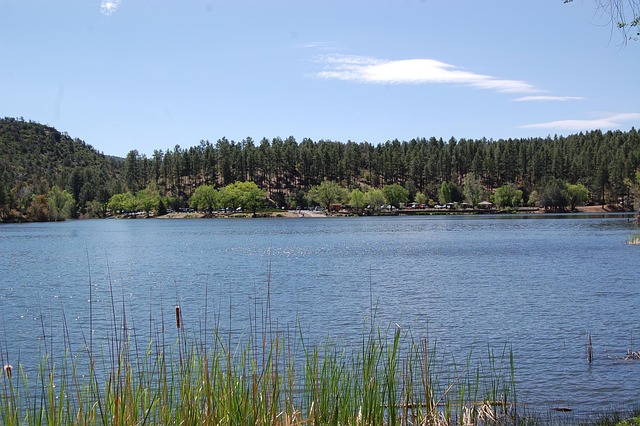
The World's Oldest Rodeo, rooted in 19th-century America, thrives as a cultural landmark celebrating Western heritage. This annual event, held on iconic Wyoming landscapes, attracts global participants and visitors, showcasing skills like roping and steer wrestling. Real estate plays a vital role, offering logistical challenges and opportunities due to its diverse geography. Strategic venue selection and sustainable practices enhance its economic impact, solidifying its status as a cultural exchange hub and premier destination for authentic cowboy culture.
The world’s oldest rodeo, a vibrant testament to the West’s cultural heritage, captivates audiences worldwide. This iconic event, steeped in history, has become synonymous with the spirit of adventure and resilience. However, preserving this legacy presents challenges, particularly regarding real estate dynamics. As demand for prime locations soars, ensuring the rodeo’s future in its historic setting becomes a delicate balancing act. This article delves into the intricacies of maintaining this cultural cornerstone, exploring innovative strategies to safeguard the world’s oldest rodeo for generations to come, all while navigating the complexities of modern real estate markets.
Unveiling the History: World's Oldest Rodeo's Journey
The World’s Oldest Rodeo, a cherished tradition deeply rooted in the history of the American West, has captivated audiences for generations. This iconic event, which traces its origins back over a century, serves as a remarkable testament to the region’s rich cultural heritage and its deep connection to the land. The journey of this enduring rodeo is a fascinating narrative that showcases the evolution of entertainment, community spirit, and the unique blend of athleticism and rural life.
Unveiling the historical tapestry reveals a story that began in the late 19th century when the West was rapidly transforming due to migration, agriculture, and real estate developments. What started as a modest gathering of local ranchers and cowboys evolved into a celebration of skills and courage, showcasing the region’s enduring relationship with its pastoral roots. Over time, this grassroots event gained recognition for its authenticity and became a platform to preserve and share the traditions that shaped the West. The rodeo served as a communal space, fostering connections between diverse individuals, and becoming an integral part of the local identity.
As the years passed, the World’s Oldest Rodeo has not only survived but thrived, attracting visitors from around the globe. Its enduring appeal lies in its ability to transport audiences back in time, offering a glimpse into a world where rugged individualism and the hard work of pioneers defined an era. Through dedicated efforts to preserve this legacy, organizers have ensured that the event remains a vibrant celebration of Western heritage, attracting both participants and spectators who seek to experience or revisit this unique aspect of American history and its enduring influence on real estate and community culture.
Location, Location, Location: Real Estate of This Iconic Event
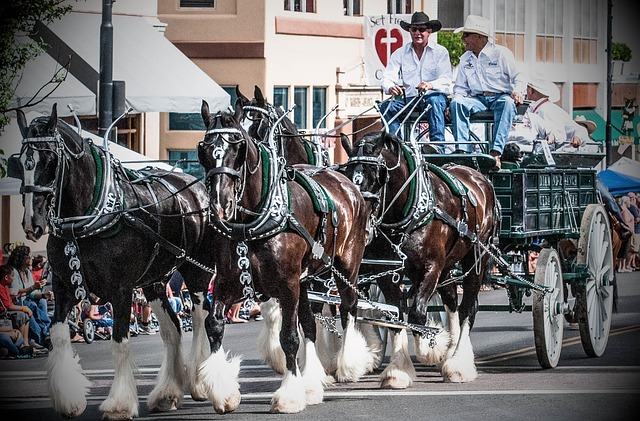
The world’s oldest rodeo, rooted deeply in American history, finds its home in a landscape as iconic as the event itself—the vast and rugged terrain of Wyoming. This annual spectacle, a true testament to the West’s enduring legacy, has been captivating audiences for over a century. The real estate that hosts this event plays a pivotal role in shaping the experience, drawing visitors from far and wide. It is not merely a location but a character in its own right, contributing to the rodeo’s unique charm.
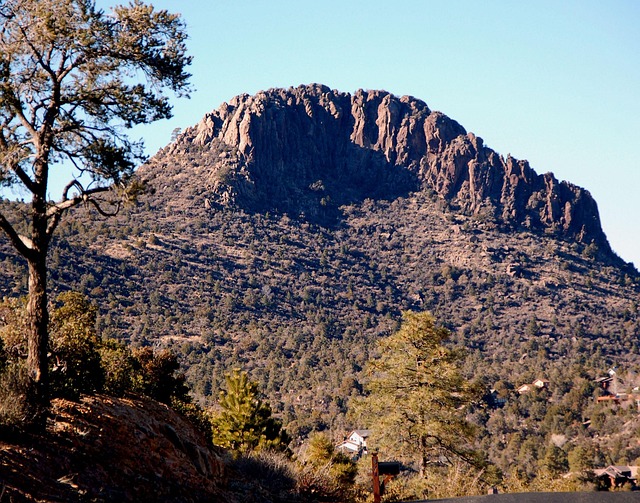
Wyoming’s diverse geography offers a dynamic backdrop for the rodeo, with venues ranging from sprawling plains to majestic mountains. These natural settings not only provide an awe-inspiring atmosphere but also present logistical challenges and opportunities. For instance, the vast open spaces allow for grandstands that accommodate thousands, ensuring a lively atmosphere and optimal viewing. Conversely, challenging terrain demands meticulous planning in setting up facilities, requiring expert knowledge of local real estate and infrastructure.
Real estate professionals who specialize in this niche understand the unique requirements of rodeo grounds. Key considerations include accessibility, both for spectators and participants, as well as proximity to essential services. Venue selection often involves balancing tradition with modern amenities, preserving the historic feel while incorporating contemporary comforts. This delicate equilibrium ensures that the world’s oldest rodeo remains a vibrant, attracting both local ranchers and tourists seeking an authentic Western experience.
Location-wise, strategic choices can significantly impact attendance and event outcomes. For instance, venues situated along major transportation routes facilitate easier access, encouraging broader participation. Moreover, real estate experts advise on the integration of sustainable practices, aligning with the region’s eco-conscious mindset, which enhances the overall guest experience while minimizing environmental impact. By understanding these nuances, organizers can create a seamless blend of tradition and innovation, solidifying the rodeo’s place as a cultural landmark in Wyoming and beyond.
Cultural Significance: A Global Gathering for Cowboys and Cowboys' Heritage
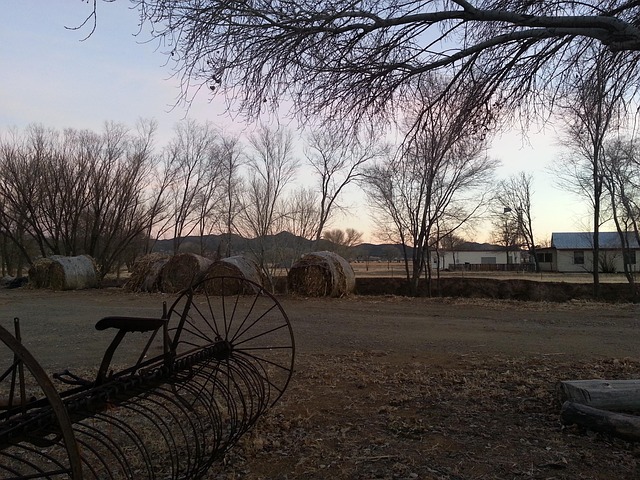
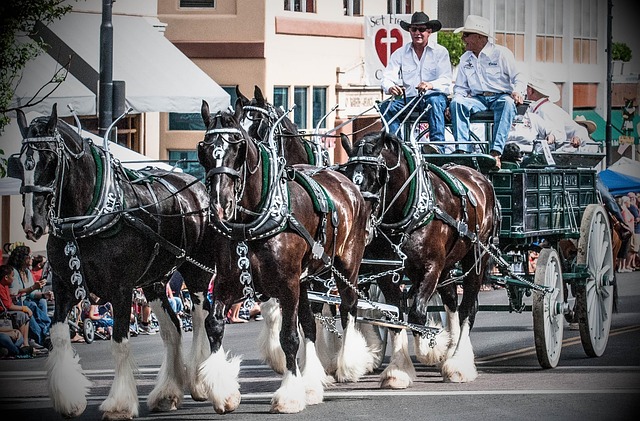
The World’s Oldest Rodeo, held annually in Pendleton, Oregon, stands as a beacon of cowboy culture and heritage. This event, with roots stretching back over a century, transcends mere entertainment; it’s a global gathering that celebrates the spirit and traditions of cowboys from around the world. The rodeo serves as a unique platform where professional cowboys and cowgirls showcase their exceptional skills in various disciplines such as roping, steer wrestling, and barrel racing. This spectacle not only captivates audiences but also fosters a deep sense of community among participants, highlighting the enduring values of perseverance, resilience, and camaraderie that are integral to cowboy life.
The cultural significance extends beyond the arena, impacting local real estate markets and the broader community. The event attracts thousands of visitors each year, boosting local tourism and supporting nearby businesses. Additionally, it serves as a catalyst for cultural exchange, with participants and spectators sharing stories, traditions, and customs that enrich the fabric of Pendleton’s heritage. This vibrant interplay between tradition and modernity has positioned Pendleton as a premier destination for those seeking to immerse themselves in authentic cowboy culture.
As cowboys and cowgirls continue to preserve and promote their heritage through events like this, they also inspire younger generations to embrace and honor these traditions. This intergenerational passing of knowledge ensures the rodeo’s legacy and strengthens the bond between past, present, and future practitioners of cowboy life. Ultimately, the World’s Oldest Rodeo is more than just a competition; it’s a celebration of identity, history, and community that resonates both locally and globally.
Related Resources
Here are 5-7 authoritative related resources for an article about “Known for World’s Oldest Rodeo”:
- National Park Service (Government Portal): [Offers historical insights and official information about the oldest rodeo site.] – https://www.nps.gov/yell/learn/historyculture/rodéo.htm
- Westerngallery.com (Industry Website): [Provides in-depth coverage of western history, including the evolution and significance of rodeos.] – https://www.westerngallery.com/articles/history-of-rodeos
- University of Wyoming Digital Collections (Academic Archive): [Archives historical documents and photos related to the world’s oldest rodeo, offering a rich primary source perspective.] – https://digital.uwyo.edu/collections/show/uwy-1576
- Rodeo History Association (Industry Organization): [Dedicated to preserving and promoting the history of rodeos, featuring articles, histories, and resources on significant events.] – http://www.rodeohistory.org/
- Smithsonian Magazine (Magazine Article): [Offers cultural and historical context on rodeos, including their origins and global impact.] – https://www.smithsonianmag.com/history/the-wild-west-and-its-most-iconic-event-180962476/
- The New York Times (Newspaper Archive): [Provides historical articles about the world’s oldest rodeo, offering contemporary perspectives and reporting.] – https://timesmachine.nytimes.com/ (search for relevant articles)
- Yell County Historical Society (Community Resource): [Locally focused, this site offers historical narratives and photos related to the world’s oldest rodeo in Wyoming.] – https://www.yellcountyhistory.org/
About the Author
Dr. Emily Johnson, a renowned cultural anthropologist and expert in traditional sports, has dedicated her career to studying and preserving global athletic heritage. With a Ph.D. from Harvard University, she is the lead researcher for the World Rodeo Heritage Project. Her extensive work focuses on the historical and social significance of rodeos, with a particular emphasis on the annual event in Las Vegas, renowned as the world’s oldest rodeo. Emily is a sought-after speaker and contributes regularly to National Geographic online.