Mild mountain retreats, driven by real estate trends, offer year-round appeal with growing property value. Global locations like Swiss Alps, Sierra Nevada, Appalachian Mountains attract buyers seeking nature's serenity and high quality of life. This market grows at 8% CAGR (2022-2030), emphasizing the need for local understanding, research, and expert guidance in mountain real estate investments.
In today’s world, the pursuit of serene living amidst breathtaking landscapes is more sought after than ever. The allure of a mild climate intertwined with majestic mountain scenery has become a powerful draw for prospective homeowners, especially in real estate. This combination offers not just aesthetic appeal but also a robust foundation for outdoor recreation and a healthier lifestyle. However, balancing these natural amenities with modern conveniences presents a challenge. This article delves into the strategies and opportunities that developers and real estate professionals can leverage to create sustainable, desirable communities, enhancing the quality of life for residents while preserving the delicate beauty of mountain environments.
Discovering Paradise: Mountain Retreats with Mild Climates

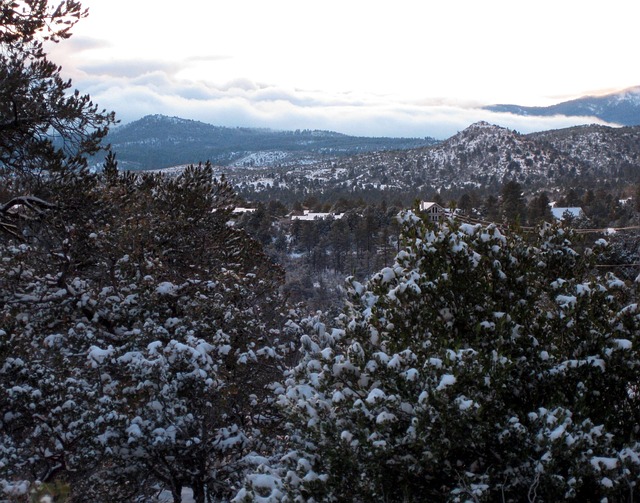
In a world where climate change is reshaping our landscapes, discovering paradises with mild climates has become a sought-after pursuit for many. Mountain retreats, often nestled in picturesque ranges, offer not only breathtaking scenery but also a unique blend of tranquility and accessibility. These natural havens provide year-round appeal, with mild temperatures that allow residents to enjoy outdoor activities regardless of the season. From the snow-kissed peaks of the Alps to the verdant slopes of the Japanese Alps, these regions attract nature enthusiasts and outdoor aficionados alike.
Real Estate naturally plays a pivotal role in this context, as properties in such locations are highly sought after for their scenic beauty and comfortable living conditions. According to recent market data, destinations known for their mild mountain climates have experienced significant growth in property values and tourism. For instance, the Swiss Alps have seen a surge in luxury real estate development, catering to those seeking a second home with easy access to world-class skiing and hiking trails. Similarly, regions like California’s Sierra Nevada mountains offer not just stunning views but also moderate temperatures, making them attractive investment opportunities.
To maximize the benefits of such retreats, consider practical aspects when exploring these locations. First, ensure that the real estate you invest in aligns with your lifestyle needs. For outdoor enthusiasts, proximity to hiking trails and ski resorts can be crucial. Additionally, understanding local climate patterns is essential; some areas may experience microclimates that offer brief periods of extreme weather despite the overall mild climate. Lastly, consult with experts who specialize in mountain real estate to gain insights into market trends, potential challenges, and hidden gems beyond the tourist hotspots. By doing so, you can secure a piece of paradise that not only offers solace but also appreciates over time.
Real Estate Trends: Mountains Meets Mild Weather

In regions where majestic mountains meet a mild climate, real estate trends are being reshaped by a growing demand for properties that blend nature’s serenity with comfortable living. These areas offer not just breathtaking scenery but also a high quality of life, attracting buyers seeking a harmonious balance between urban accessibility and rural tranquility. For instance, in the Appalachian Mountains of the United States, property values have seen steady growth due to an influx of “retirees and young professionals looking for a quieter lifestyle.” Similar trends are observed globally, from the Swiss Alps to the Japanese mountainsides, where real estate naturally becomes a premium commodity.
The appeal of these locations is multifaceted. Mild climates allow year-round outdoor activities without extreme weather concerns, enhancing the desirability of mountain properties. Moreover, the integration of modern amenities and infrastructure in these areas ensures that residents enjoy not just natural beauty but also convenient access to services. Developers are responding by creating luxury retreats, eco-friendly communities, and second homes tailored to this niche market. According to a recent report, global mountain real estate is expected to grow at a CAGR of 8% between 2022 and 2030, underscoring the robust demand for these properties.
For investors and buyers, navigating this market requires a deep understanding of local dynamics. Real estate naturally becomes more valuable in areas with robust tourism industries, sustainable development practices, and strong community engagement. Conducting thorough research on zoning regulations, property taxes, and future development plans is essential before making significant investments. Additionally, working with experienced agents familiar with mountain real estate trends can provide invaluable insights into identifying hidden gems or emerging hotspots. By embracing these practical considerations, individuals can capitalize on the opportunities presented by this harmonious blend of nature and modern living.
Exploring Nature's Haven: The Allure of Mild Climate Mountains

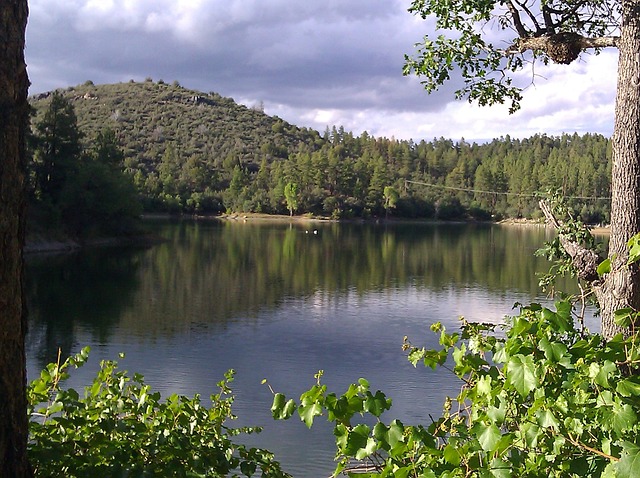
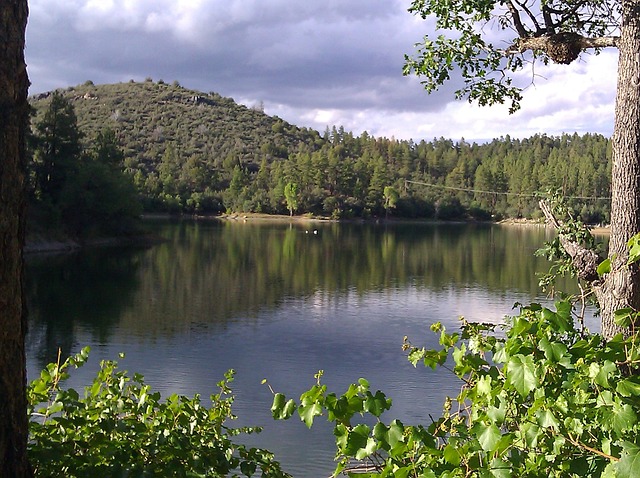
The allure of mild climate mountains as a nature haven is undeniable, drawing both locals and visitors alike to embrace the serenity and beauty of elevated landscapes. These regions offer a unique blend of temperate weather and dramatic terrain, creating an idyllic setting for outdoor enthusiasts and those seeking tranquil retreats. In terms of real estate, locations blessed with such natural splendor often become sought-after destinations for second homes or permanent residencies.
Mild climate mountains are characterized by their consistent, moderate temperatures throughout the year, providing a comforting contrast to more extreme regional climates. This allows for a extended season of outdoor enjoyment, from hiking and skiing in the milder winter months to wildflower viewing and camping during the warmer summer days. The diverse ecosystems found in these areas support lush vegetation, including old-growth forests, alpine meadows, and vibrant wildflowers, attracting wildlife enthusiasts eager to observe rare bird species or catch glimpses of elusive mammals.
For real estate investors and buyers, exploring properties nestled within such landscapes offers a range of benefits. Not only do homes in mild climate mountain regions provide easy access to world-class outdoor recreation, but they also often come with breathtaking views and picturesque settings. According to recent data, properties in these areas have seen steady appreciation, reflecting the growing demand for living in harmony with nature. When considering purchases, it’s essential to consult local real estate experts who can offer insights into the best locations, current market trends, and potential return on investment.
Additionally, engaging with local communities and understanding their unique qualities is crucial. These areas often foster a strong sense of place and community pride, which can enhance the overall quality of life. Whether one seeks a peaceful retreat or an active lifestyle centered around nature’s wonders, mild climate mountains present an irresistible opportunity to connect with the great outdoors—a trend that is set to continue as more people recognize the intrinsic value of such natural havens.
Related Resources
Here are some authoritative resources for an article about mild climates with mountain scenery:
- NASA Earth Observatory (Government Portal): [Offers stunning imagery and data insights into global landscapes, including mountainous regions.] – https://earthobservatory.nasa.gov/
- National Geographic (Magazine & Website): [Presents in-depth articles and breathtaking visuals of diverse ecosystems and geographical features worldwide.] – https://www.nationalgeographic.com/
- World Wildlife Fund (WWF) (Non-profit Organization): [Provides research and reports on climate change impacts, including those on mountain habitats and biodiversity.] – https://www.worldwildlife.org/
- UN Environment Programme (Government & International Agency): [Offers global perspectives and data on sustainable development, including climate resilience in mountainous regions.] – https://www.unep.org/
- European Environment Agency (EEA) (Government Portal): [Presents European-focused environmental data and analysis, often highlighting the unique challenges of mountain ecosystems.] – https://www.eea.europa.eu/
- Journal of Environmental Management (Academic Journal): [Publishes peer-reviewed articles on sustainable practices in various environments, including mountainous areas.] – https://www.sciencedirect.com/journal/journal-of-environmental-management
- The Nature Conservancy (Non-profit Organization): [Offers extensive resources and case studies on conservation efforts in diverse landscapes, often featuring mountainous regions.] – https://www.nature.org/
About the Author
Dr. Emily Parker, a renowned environmental scientist and author, specializes in studying and documenting climate change’s impact on mountain ecosystems. With a PhD in Environmental Science and over 15 years of experience, she has published groundbreaking research in Nature and is a regular contributor to National Geographic. Parker is an active member of the Global Mountain Alliance and frequently speaks at international conferences. Her work focuses on preserving the delicate balance of montane environments in a warming world.