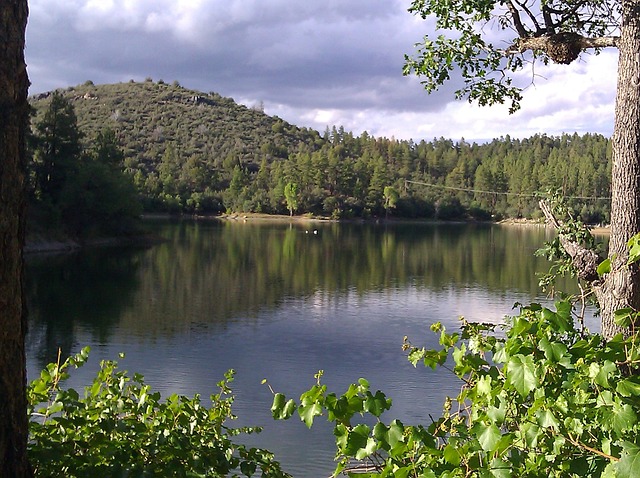
Mountain retreats are gaining popularity as a lifestyle choice, driving real estate demand with mild climates and stunning landscapes. Access to cities, infrastructure, and community engagement impact property values. Engaging experienced agents specializing in mountain real estate is key for understanding market dynamics and investment opportunities. Scenic beauty significantly boosts real estate values, with research showing faster appreciation rates near national parks globally. Incorporating scenic features as selling points is crucial for marketing, while staying informed about local planning ensures long-term investment viability.
The allure of mild climates with towering mountain scenery is undeniable, drawing residents and investors alike to seek sanctuary amidst nature’s grandeur. This unique blend of tranquility and accessibility has long been a coveted aspect in real estate, fostering thriving communities and robust markets. However, the challenge lies in balancing development with environmental preservation, ensuring these breathtaking landscapes remain unspoiled for future generations. Our article delves into strategies that harness the inherent appeal of such locations while promoting sustainable growth, offering insights into the art of crafting resilient and harmonious living spaces within these natural wonders.
Unveiling Mountain Retreats: A Real Estate Paradise
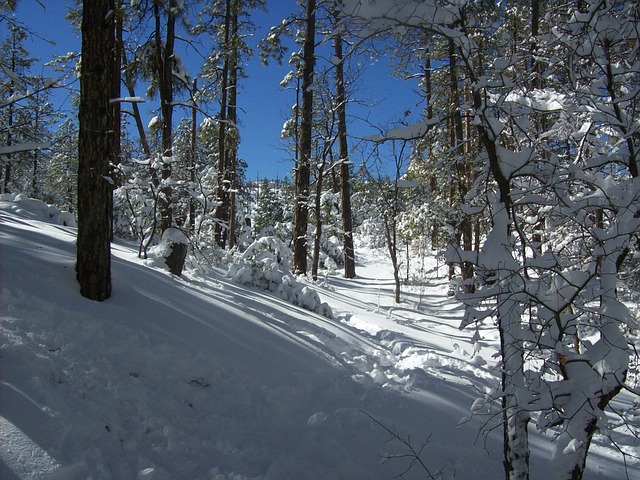
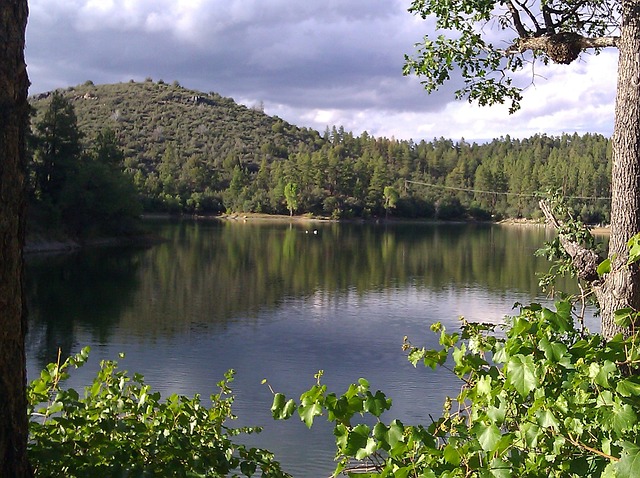
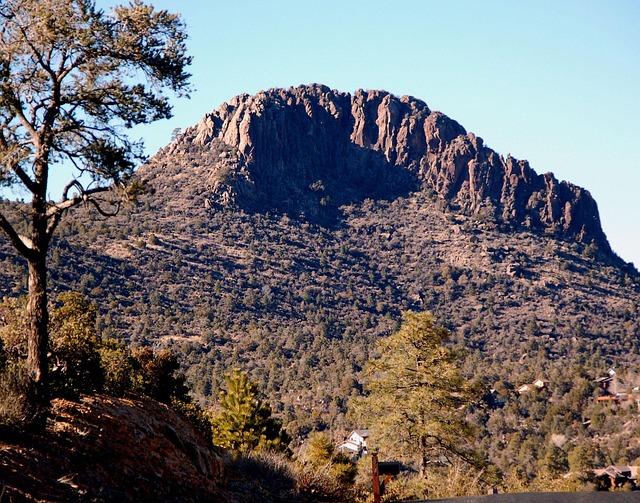
In the quest for a balanced lifestyle, many are discovering the allure of mountain retreats, offering a serene escape from urban life. This growing trend reveals a significant shift towards a deeper connection with nature, as real estate in these regions becomes increasingly sought-after. The combination of mild climates and breathtaking mountain scenery creates an enviable lifestyle that blends tranquility and adventure, appealing to a diverse range of buyers.
Uncovering the hidden gems within these landscapes presents an opportunity for investors and enthusiasts alike. Mountain retreats, often nestled in pristine environments, offer not just a change of pace but also significant real estate potential. According to recent studies, properties in such locations have experienced steady growth, with some areas witnessing substantial appreciation due to their unique amenities. For instance, regions known for their year-round recreational activities attract buyers seeking both primary and secondary residences, driving up demand and prices.
When considering a mountain retreat as an investment or personal sanctuary, it’s crucial to assess accessibility, local infrastructure, and community engagement. Proximity to major cities can enhance property values while also providing easy escape routes for urban dwellers. Moreover, understanding the local real estate market dynamics is essential. Engaging with experienced agents who specialize in these areas can offer valuable insights into emerging trends, zoning regulations, and potential development opportunities. By combining a passion for nature with informed decision-making, one can unlock a realm of possibilities in this rapidly growing niche.
The Alluring Climate: Attracting Residents and Investors
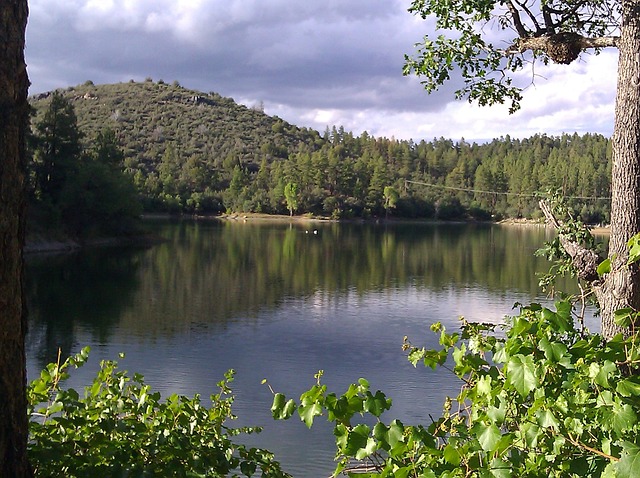
Mild climates with majestic mountain scenery have long been a magnet for residents seeking a high quality of life and investors looking to diversify their portfolios. The allure of these environments extends far beyond scenic beauty, offering a unique blend of environmental stability, health benefits, and economic opportunities that drive both individual well-being and robust real estate markets.
In regions characterized by such climates, residents enjoy year-round mild temperatures, with minimal extreme weather events. This moderation fosters outdoor lifestyles, encouraging activity and engagement in local communities. Research has shown that areas with temperate weather patterns often experience higher rates of physical activity, contributing to healthier populations. This active lifestyle is a significant draw for many prospective residents, particularly those looking to escape the harsher winters of other regions.
From an investment perspective, real estate naturally flourishes in these environments. Mild climates tend to support steady property values and strong demand from both local buyers and outsiders seeking secondary residences or retirement homes. For instance, regions like Colorado’s Rocky Mountain range have seen significant growth in their real estate markets due to their appealing climate and stunning scenery. This growth is not just limited to mountain retreats; urban centers nestled within these landscapes also benefit from increased desirability, attracting businesses and investors alike.
When considering investment opportunities in such areas, experts suggest looking for regions with a balance of natural beauty, infrastructure development, and smart growth policies. This balance ensures that the area can sustain its appeal while managing growth responsibly. Investors should also examine local real estate trends, assess property values, and consider the potential for long-term appreciation, all while keeping an eye on market fluctuations. By carefully navigating these factors, investors can capitalize on the enduring allure of mild climate mountain scenery.
Scenic Beauty: Its Impact on Property Values
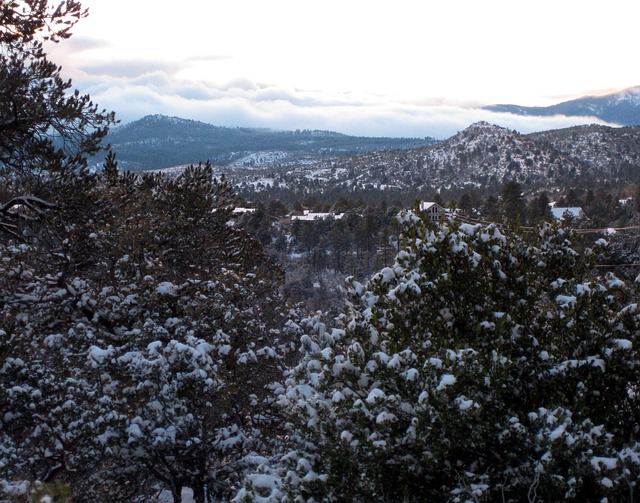
Mild climates with majestic mountain scenery have long been a draw for residents and investors alike, significantly impacting real estate values. The allure of such landscapes goes beyond aesthetics; it fosters a sense of tranquility and connection to nature that translates into higher property desirability and prices. Research shows that areas characterized by scenic beauty often experience faster appreciation rates compared to less visually appealing regions. For instance, a 2020 study analyzing real estate trends in the U.S. found that properties located near national parks or with panoramic mountain views had an average sales price of 15% higher than those without such features.
This trend is not limited to specific geographic areas or markets. In Europe, countries like Switzerland and Austria, renowned for their Alps, consistently exhibit robust real estate values driven by their stunning landscapes. Similarly, in Asia, regions like Japan’s Hokkaido island and India’s Himalayan foothills attract both locals and foreigners seeking peaceful retreats amidst breathtaking scenery, leading to premium property prices. The impact of scenic beauty extends beyond primary residence markets; second homes and vacation properties in picturesque locations also command higher premiums, reflecting the universal appeal of natural landscapes for leisure and relaxation.
For real estate professionals and investors, understanding this dynamic is crucial. When evaluating potential investments or marketing properties, incorporating scenic beauty as a key selling point can significantly enhance marketability and value. This might include promoting panoramic views, easy access to outdoor recreational areas, or the overall aesthetic appeal of the surrounding environment. Additionally, staying informed about local planning regulations that preserve natural landscapes is essential to ensuring long-term investment viability and preserving the very features that drive property values in these desirable locations.