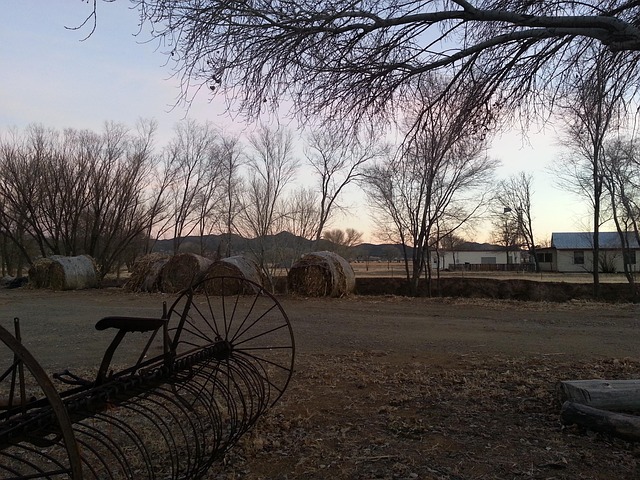
Frontier towns transform into desirable retirement havens due to shifting demographics, real estate trends, and cultural shifts. Key advantages include rich heritage, scenic landscapes, and affordable real estate. Retirees seek spacious homes, low cost of living, and outdoor access. Local developers offer diverse options like historic and eco-friendly dwellings. Home prices have risen steadily but vary by location. Real estate agents advise financial planning. Investors can find opportunities in undervalued areas. Towns thrive with scenic beauty, cultural events, and community engagement. To ensure longevity, they should enhance amenities, promote technology for seniors, and foster local partnerships, creating a high quality of life that attracts and retains retirees.
The transformation of frontier towns into retirement havens is a significant trend reshaping the landscape of aging in America. Once bustling with pioneers and prospectors, these historic communities now offer a unique blend of charm, affordable real estate, and a robust sense of community for retirees seeking a peaceful retreat. However, this shift presents challenges in preserving the town’s heritage while accommodating modern needs. This article delves into the strategies and opportunities that enable frontier towns to thrive as retirement destinations, providing valuable insights for both residents and real estate investors navigating this evolving market.
From Frontier to Retirement Oasis: A Historical Journey

The transformation of frontier towns into retirement havens is a fascinating journey rooted in history and heavily influenced by shifting demographics and economic trends. Once bustling with pioneers and adventurers seeking new opportunities, these communities now cater to a different demographic: retirees seeking serene environments, affordable living, and access to quality healthcare. This transition isn’t merely about changing population needs; it’s a complex interplay of factors that includes the evolution of real estate markets, infrastructure development, and cultural shifts in how society perceives retirement.
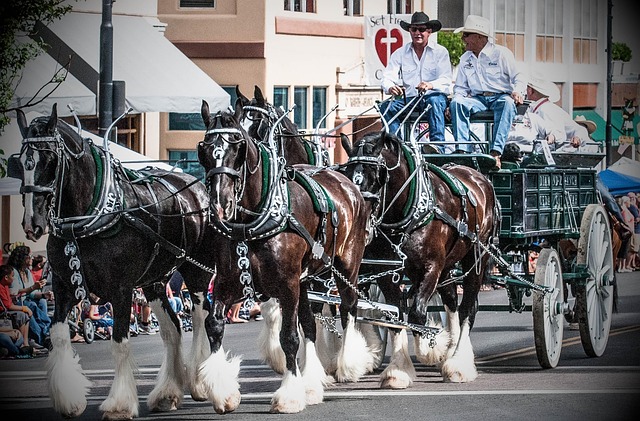
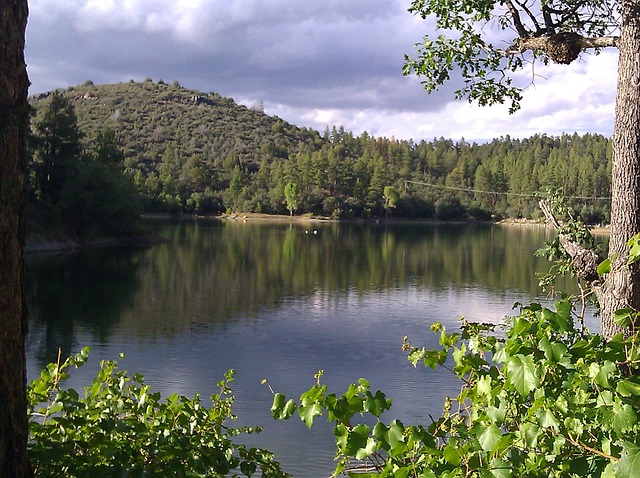
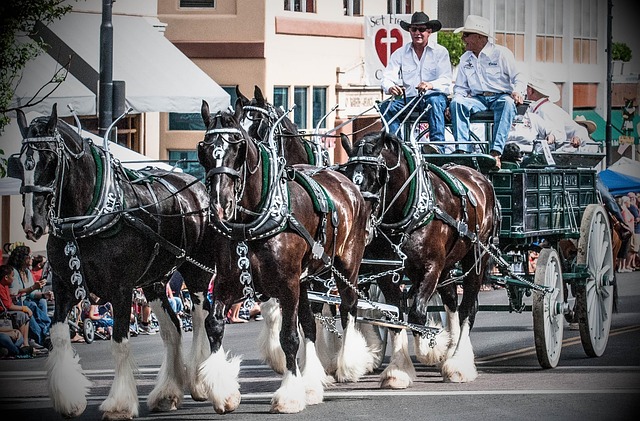
Historic frontier towns offer unique advantages as retirement destinations. Their rich cultural heritage, often preserved through meticulously restored architecture and landmarks, provides a sense of place and belonging for newcomers. The natural landscapes, ranging from majestic mountains to serene lakes, appeal to those seeking tranquility and outdoor recreation. Moreover, the real estate opportunities in these areas can be highly advantageous. Lower property values compared to metropolitan centers allow retirees to secure more space and amenities for their budgets, enhancing their overall quality of life. However, as demand grows, so does competition for these desirable locations, driving up prices in some cases. Retirees must remain informed about local real estate trends, leveraging the expertise of seasoned agents who understand the unique dynamics of these communities.
To make the most of this historic transformation, retirees should engage with their future communities proactively. Participating in local events, joining community organizations, and building relationships can help foster a sense of belonging and enable residents to navigate the transition smoothly. Additionally, understanding the available healthcare options is crucial, as accessible and high-quality medical services are vital for retirees’ peace of mind. Engaging with local healthcare providers and learning about the infrastructure in place for senior care ensures that these historic towns continue to meet the evolving needs of their retirement population. By embracing this journey, both newcomers and established residents can ensure that these frontier towns thrive as vibrant retirement oases for years to come.
Real Estate Trends in This Transformed Town
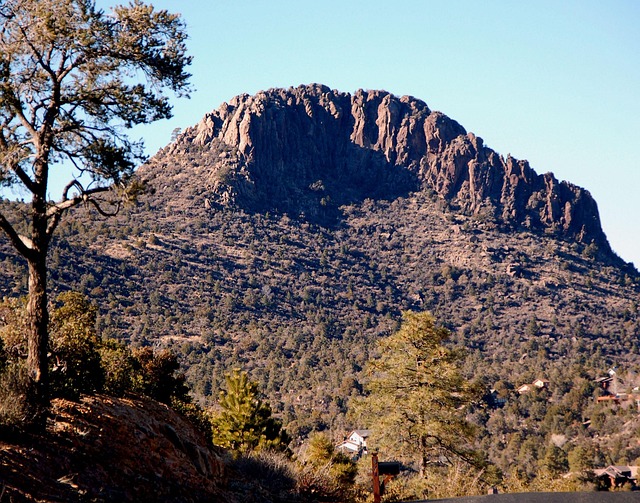
In recent years, historic frontier towns have seen a remarkable transformation, many of them emerging as sought-after retirement havens. This shift has brought about significant real estate trends, with properties in these once-remote locations experiencing notable growth and changes in demand. As these towns adapt to cater to a new demographic, understanding the local real estate landscape is crucial for both prospective buyers and developers.
The real estate market in these frontier towns naturally reflects the changing preferences of retirees. Many seek affordable, spacious homes with easy access to outdoor amenities and a low cost of living. This has led to a rise in demand for larger lots, custom-built residences, and properties with scenic views—all while keeping an eye on budget-friendly options. Local developers have responded by offering a mix of housing types, from charming historic homes to modern, energy-efficient dwellings. For instance, in towns with abundant natural beauty, there’s a growing trend towards eco-friendly, off-grid living, appealing to those seeking a more sustainable retirement.
Market insights reveal that the average home prices in these transformed towns have increased steadily over the past decade, outpacing national averages. However, the pace of growth varies widely depending on factors like location, amenities, and proximity to urban centers. Real estate agents suggest that buyers should consider not only the financial aspects but also the unique character and sense of community these towns offer. For investors, identifying undervalued properties or areas with potential for revitalization can provide lucrative opportunities. By staying abreast of local trends and preferences, developers can ensure their projects meet the needs of this evolving market, fostering sustainable growth in these once-sleepy frontier towns.
Lifestyle and Amenities: Attracting Retirees Today

Many historic frontier towns, once bustling with pioneers and adventurers, have found a new purpose as idyllic retirement havens. These charming communities offer not just scenic beauty but also a unique blend of lifestyle and amenities tailored to meet the needs of retirees. The natural allure of these places, coupled with well-developed real estate, makes them highly desirable for those seeking a peaceful and fulfilling retirement.
The lifestyle in these towns often revolves around outdoor activities, cultural events, and a strong sense of community. Many offer easy access to nature trails, golf courses, and recreational facilities, encouraging an active and healthy retirement. For instance, small towns like Sedona, Arizona, known for its vibrant red rock landscapes, attract retirees with yoga studios, art galleries, and numerous hiking trails, fostering a lifestyle that combines physical well-being with artistic engagement. Real estate developments in such areas often incorporate these amenities, creating walkable, age-friendly neighborhoods that cater to the specific interests of potential residents.
Retirees today are seeking more than just a place to live; they desire communities that offer opportunities for social interaction, cultural enrichment, and access to quality healthcare. Many frontier towns have embraced this trend by establishing senior centers, hosting regular community events, and partnering with local businesses to provide specialized services. For example, Santa Fe, New Mexico, boasts a vibrant arts scene, numerous historical sites, and a thriving real estate market that caters to retirees. The city’s unique architecture, diverse cultural offerings, and mild year-round climate make it an attractive destination for those seeking both tranquility and intellectual stimulation in their golden years.
To attract and retain retirees, towns should focus on enhancing existing amenities while promoting the development of new ones. This might include investing in technology to support aging in place, expanding transportation options, and fostering partnerships with local businesses to create a vibrant economy that caters to the needs of seniors. By offering a high quality of life, these historic frontier towns can secure their futures as premier retirement destinations, ensuring that their unique character and charm endure for generations to come.