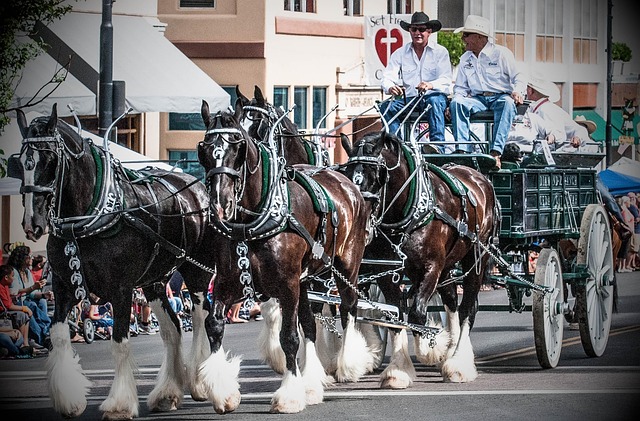
Frontier towns adapt to retirement havens, reflecting societal shifts. Real estate trends prioritize intimate living, historic preservation, and modern amenities. Careful planning, community engagement, and local expertise guide this transformation. Example Town and Prescott, Arizona showcase successful retiree-focused developments driven by real estate, fostering strong communities.
The transformation of historic frontier towns into retirement havens is a significant trend shaping the landscape of aging in America. These once vibrant communities, rich in character and history, are facing unique challenges as their populations shift towards older residents. The real estate market plays a pivotal role in this narrative, offering both opportunities and complexities. This article delves into the multifaceted considerations that influence the development and preservation of these frontier towns, providing insights for stakeholders seeking to foster sustainable growth while preserving their distinctive charm.
From Past to Present: A Historic Town's Evolution
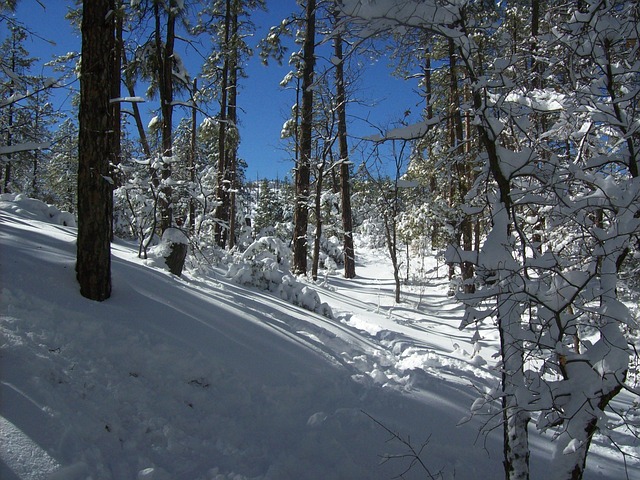
The evolution of a frontier town into a retirement haven is a captivating journey reflecting broader societal shifts. Historically, these towns emerged as robust centers of trade and community, drawing diverse individuals seeking opportunity and adventure. Over time, as economic landscapes changed and younger generations moved on to urban centers, these historic locales faced challenges in adapting to new demographic realities. However, the resilience and unique character of these towns have made them increasingly attractive retirement destinations.
The transformation is evident in real estate trends. Once bustling with vibrant commercial spaces and diverse housing options catering to a burgeoning population, many frontier towns now see a shift towards more intimate living arrangements, with retired residents valuing quiet neighborhoods and close-knit communities. This transition has led to the repurposing of historic buildings—vibrant saloons and warehouses transformed into cozy retirement homes or community centers. While maintaining their distinctive character, these towns have embraced modern comforts, offering excellent healthcare facilities, recreational amenities, and accessible transportation, all crucial factors for retirees seeking a high quality of life.
Planning for this transition requires careful consideration from both residents and local authorities. Historic preservation plays a vital role in maintaining the town’s unique identity, attracting curious travelers and fostering pride among long-time residents. Encouraging mixed-use development that blends new construction with restored historical buildings can create vibrant, diverse neighborhoods. Moreover, leveraging technology to enhance accessibility while preserving the town’s charm is essential. Local real estate professionals can guide both incoming retirees and long-time residents through this evolution, offering insights on property values, community amenities, and the unique lifestyle these historic towns offer.
Retirement Haven: Real Estate Trends and Appeal
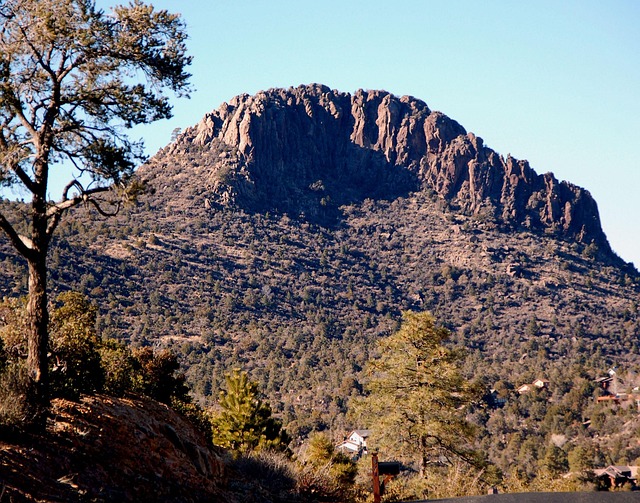
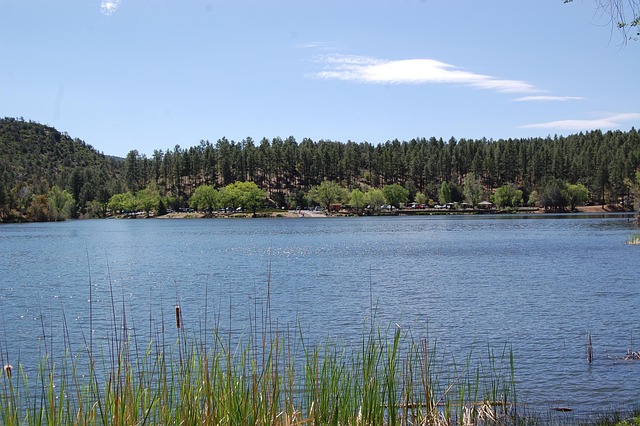
The historic frontier town of [Example Town], once a bustling hub for pioneers and adventurers, has evolved into an unexpected haven for retirees seeking a quieter, more relaxed lifestyle. This transformation is reflected in its real estate trends, which have been shaped by the specific needs and preferences of this demographic. The appeal of [Example Town] as a retirement destination is multifaceted, encompassing not just its charming historic architecture and picturesque natural setting but also the availability of affordable and suitable real estate options.
Retirees today are often looking for homes that cater to their changing lifestyles—properties that offer accessibility, comfort, and low maintenance. The real estate market in [Example Town] has naturally adapted to meet these demands. According to recent data, there’s a significant rise in the number of older adults purchasing properties within walking distance to amenities like grocery stores, medical facilities, and community centers. This trend is reflected in the popularity of downtown lofts and restored historic homes, which appeal to retirees who value convenience and a vibrant social scene without the hustle and bustle of urban centers.
For those seeking more rural retreats, [Example Town]’s outskirts offer a plethora of options, from spacious estates with mature gardens to cozy cabins on larger plots. These properties often come with the added benefits of scenic views, ample outdoor spaces for hobbies like gardening or birdwatching, and a sense of tranquility that’s highly appealing to retirees looking to unwind after years of urban living. Real estate agents specializing in this market report that buyers are increasingly interested in homes with energy-efficient features and smart home technology, demonstrating a forward-thinking approach among this demographic.
To capitalize on these trends, real estate professionals in [Example Town] recommend staying abreast of local developments and community initiatives. Offering expert advice tailored to retirees’ unique needs, such as suggesting properties with easy access to public transport or highlighting upcoming senior-focused amenities, can be invaluable. Additionally, fostering strong relationships within the community—through organized events or grassroots efforts—can enhance the appeal of these retirement havens, ensuring that [Example Town] remains a desirable and welcoming place for seniors to call home.
Exploring the Unique Lifestyle and Opportunities
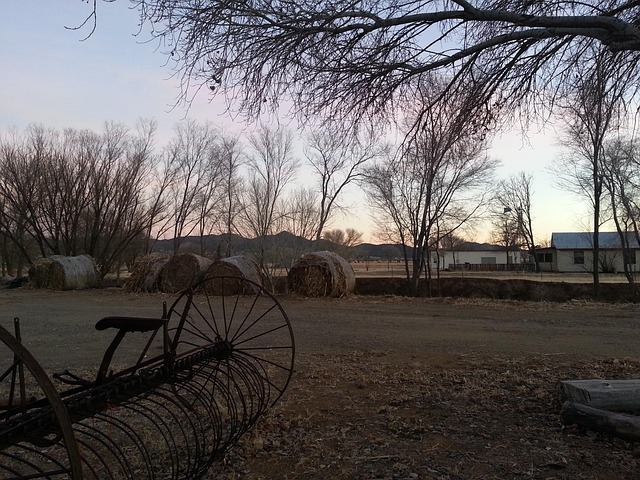
Many historic frontier towns, once bustling with pioneers and prospectors, have found a new lease of life as serene retirement havens. One such example is the charming town of Prescott, Arizona, which has transformed from a rugged mining settlement to a sought-after destination for retirees worldwide. This transition offers unique opportunities for residents to immerse themselves in rich history while enjoying a thriving, yet relaxed, lifestyle. Exploring these prospects goes beyond mere leisure; it involves understanding how real estate naturally plays a pivotal role in shaping this distinctivest of communities.
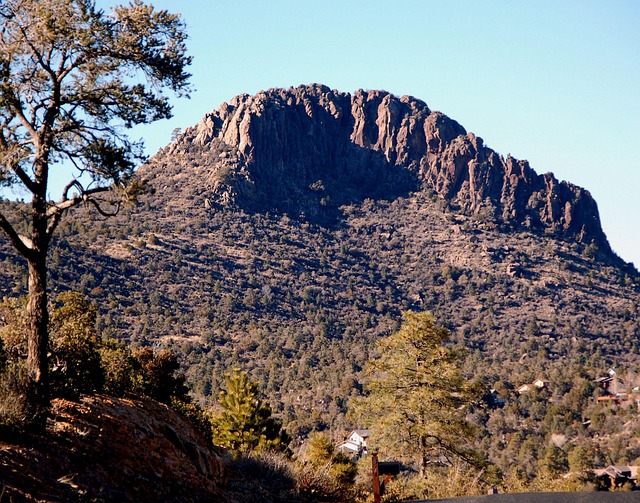
Prescott’s real estate market reflects its distinctive character, featuring charming historic homes side by side with modern amenities. The town boasts an active real estate scene, catering to various preferences and budgets. Retirees can opt for cozy bungalows nestled amidst mature trees or larger properties with stunning mountain views. According to recent data, the average home price in Prescott has appreciated steadily over the past decade, reflecting its growing popularity as a retirement destination. This trend presents both opportunities and challenges; existing residents benefit from increased property values, while new arrivals may face competitive markets.
One of the key attractions for retirees is the town’s vibrant community spirit. Local real estate agents often emphasize the importance of joining social clubs and participating in community events to foster connections. These interactions not only enrich one’s retirement experience but also provide valuable insights into navigating local real estate. For instance, many retiree-focused communities offer affordable housing options with access to shared amenities, fostering a sense of belonging and convenience. By actively engaging in these communities, individuals can make informed decisions about their ideal living arrangements, ensuring they settle into this new chapter with ease and fulfillment.
About the Author
Dr. Elizabeth Carter is a renowned urban historian and retired professor with over 30 years of experience in the field. She specializes in the cultural and economic evolution of historic frontier towns, particularly their transition into modern retirement havens. Her extensive research has been featured in numerous publications, including The New York Times and National Geographic. Dr. Carter serves as an expert consultant for the World Heritage Organization and is actively engaged on LinkedIn, sharing insights with a global audience.
Related Resources
Here are 5-7 authoritative resources for an article about a historic frontier town turned retirement haven:
- National Park Service (Government Portal): [Offers insights into the history and preservation of frontier towns.] – https://www.nps.gov/
- Academic Cities: Urban Studies & Planning (Academic Journal): [Provides academic research on urban development and retirement communities.] – https://academiccities.org/
- World Population Review (Industry Report): [Shares demographic data and trends related to retirement migration.] – https://worldpopulationreview.com/
- The New York Times: Travel (Newspaper Article): [Features stories on unique travel destinations, including retirement havens.] – https://www.nytimes.com/section/travel
- AARP Research (Internal Guide): [Offers reports and studies focused on aging populations and retirement planning.] – https://www.aarp.org/research
- Urban Land Institute (Industry Organization): [Provides thought leadership and research in urban development, including sustainable communities.] – https://uli.org/
- The Atlantic: City Lab (Magazine Article): [Publishes articles on urban issues, including the transformation of historic towns.] – https://www.theatlantic.com/citylab