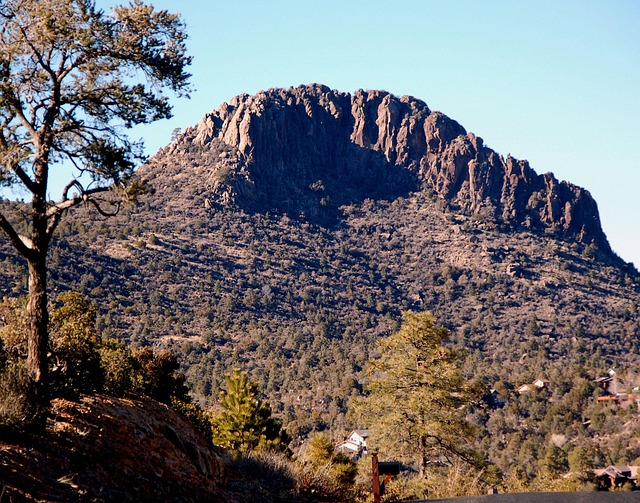
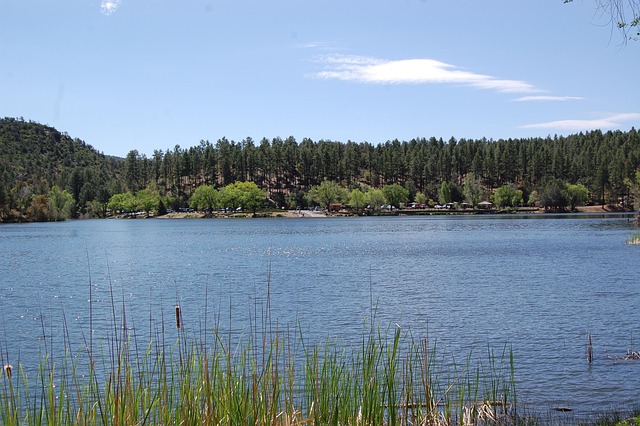
Historic frontier towns, once industrial hubs, have evolved into sought-after retirement destinations, offering a unique blend of charm, community, and natural beauty. Their real estate market caters to buyers seeking immersive experiences in well-preserved historic settings, with developers converting vintage homes and buildings into modern retirement communities. Balancing growth and preservation is crucial, involving strategies like incentivizing green spaces, promoting affordable housing, and encouraging mixed-use developments. By revitalizing real estate naturally, incorporating outdoor amenities, planning inclusive spaces, and fostering intergenerational communities, these towns can thrive as premier retirement havens while preserving their heritage.
In the quest for quality of life, many retirees seek out historic frontier towns, offering a unique blend of charm and tranquility. However, the transformation of these charming locales into desirable retirement havens presents challenges in real estate, infrastructure, and community dynamics. This article delves into the intricacies of this trend, exploring how successful adaptations balance preserving historical character with meeting modern needs. By examining case studies and expert insights, we provide valuable guidance for stakeholders navigating this evolution, ensuring these frontier towns thrive as vibrant retirement destinations.
Historic Charm: Unlocking the Appeal of Frontier Towns
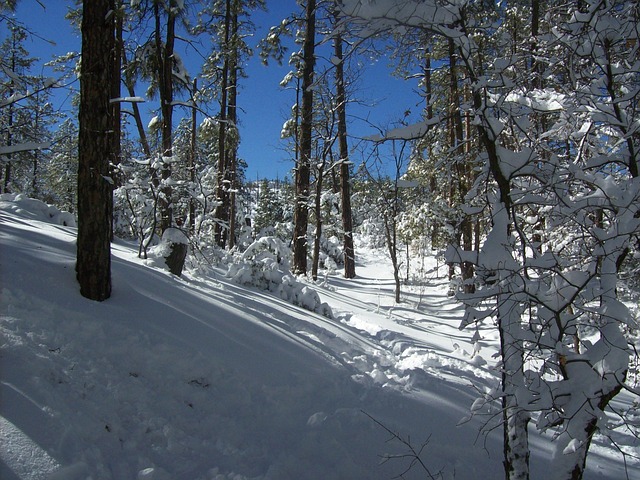
Historic frontier towns, with their unique character and rich past, have long captivated visitors and residents alike, becoming popular retirement destinations. These charming communities offer a distinct appeal, blending the allure of yesteryear with modern amenities, creating an ideal haven for those seeking a peaceful, yet vibrant, lifestyle in picturesque settings. The charm of frontier towns lies not only in their architectural heritage but also in the warmth of the community and the close connection to nature that many boast.
Real estate in these historic locations provides an opportunity to immerse oneself in a way of life that has stood the test of time. Vintage homes, often with carefully preserved original details, line tree-lined streets, creating an enchanting atmosphere. The market for retirement properties in such towns is robust, with buyers drawn to the sense of community and the abundance of recreational activities tailored to this demographic. Many frontier towns have recognized this growing demand and invested in enhancing their infrastructure while preserving their historical integrity.
Uncovering the true essence of these places involves exploring local events, historic sites, and natural wonders that draw residents and visitors alike. From lively farmers’ markets to heritage festivals, these towns offer a rich cultural experience. Additionally, access to outdoor pursuits like hiking, fishing, or simply strolling through scenic parks contributes to an active retirement lifestyle. For real estate investors and prospective buyers, understanding the unique dynamics of frontier towns is crucial. Engaging with local experts and considering factors such as community engagement, infrastructure development, and the preservation of historic architecture can lead to informed decisions, ensuring a rewarding experience in these captivating retirement havens.
Retirement Haven: Real Estate Trends in Scenic Destinations
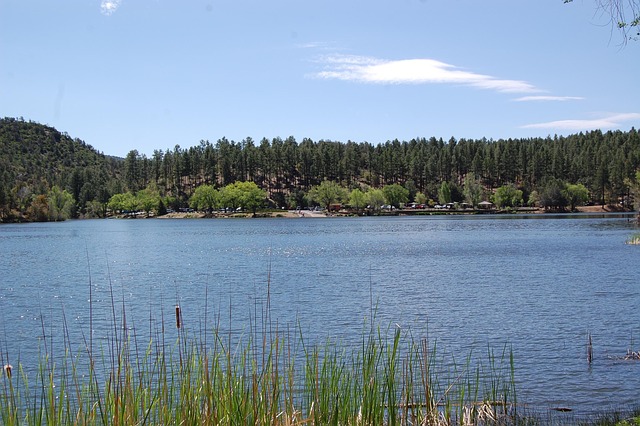
Many historic frontier towns, once bustling with industry and growth, have found a new purpose as idyllic retirement havens. This transition brings unique real estate trends to the forefront, shaping the landscapes and communities of these scenic destinations. The appeal lies in the natural beauty, small-town charm, and often, lower cost of living compared to metropolitan areas. Retirees are drawn to these places not just for their aesthetic allure but also for the sense of community and slower pace of life they offer.
Real estate developers and investors have taken note, recognizing the potential to cater to this specific demographic. In recent years, there’s been a noticeable shift towards building retirement-focused communities embedded in the fabric of these historic towns. These developments often incorporate modern amenities while preserving the town’s character. For instance, in some Western states, vintage hotels or former warehouses are converted into luxury retirement apartments, blending historical architecture with contemporary design and access to local attractions. This trend not only revitalizes underutilized spaces but also ensures that the town’s cultural heritage is preserved for future generations.
However, as these towns adapt, it’s crucial to maintain balance. The real estate market in scenic retirement destinations must evolve organically, preserving the area’s natural and historical integrity. Local governments play a vital role in guiding development to ensure it aligns with the community’s needs and character. Practical strategies include incentivizing developers to incorporate green spaces, promoting affordable housing options, and encouraging mixed-use developments that cater to both residents and visitors. By carefully navigating these trends, historic frontier towns can continue to thrive as retirement havens while preserving their unique identity.
Transforming Landscapes: From Frontier to Tranquil Retirements
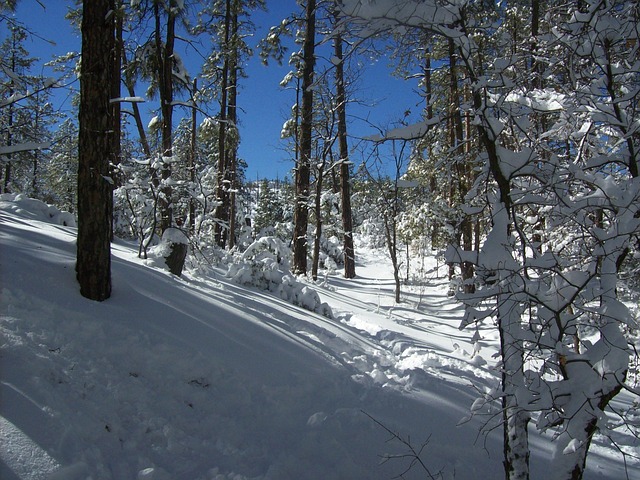
The transformation of historic frontier towns into serene retirement havens is a captivating narrative of landscape evolution. These once bustling centers of exploration and settlement have undergone a delicate metamorphosis, adapting to meet the needs of a new demographic—seniors seeking tranquil retreats. The journey involves more than just changing the character of these places; it’s about revitalizing real estate naturally, preserving history while fostering modern amenities that cater to aging populations.
Frontier towns, known for their rugged landscapes and rich cultural heritage, often boast vast open spaces and a distinct sense of community. As younger generations move on, these areas present an opportunity to create low-key, peaceful environments ideal for retirement. One key aspect is the integration of green spaces and outdoor amenities that encourage active lifestyles while offering serene surroundings. For instance, well-manicured parks, walking trails, and community gardens not only enhance the aesthetic appeal but also provide residents with opportunities for social interaction and physical activity. Real estate developers and local authorities can play a pivotal role in planning these transformations by consulting with experts in urban design and landscape architecture to create inclusive, accessible spaces.
The real estate market in such towns experiences a shift as well. Properties once targeted at ranchers and outdoor enthusiasts are now tailored to retirees seeking comfort and convenience. This includes the development of retirement communities that offer independent living options, along with assisted-living facilities for those requiring additional support. By combining historical charm with modern amenities, these towns attract a diverse range of seniors, each contributing to a vibrant, intergenerational community. Expert advice suggests focusing on creating mixed-use developments that blend residential spaces with local businesses, ensuring a lively atmosphere year-round.