American historic towns have evolved into sought-after retirement destinations, attracting retirees with their rich character, natural beauty, and small-town ambiance. Real estate developers and local governments can capitalize on this trend by revitalizing historic buildings, creating age-friendly environments, and promoting cultural events. Strategic planning, tax breaks, and grants encourage the preservation of historical landmarks while fostering economic growth. This holistic approach ensures these towns thrive as vibrant retirement communities offering both peace and modern amenities.
The transformation of frontier towns into retirement havens is a significant trend reshaping the landscape of aging in America. Once bustling with pioneers and prospectors, these communities now offer a unique blend of historic charm and modern amenities, particularly appealing to retiring professionals seeking new chapters. However, navigating this transition presents challenges, from preserving the town’s character through responsible development to ensuring real estate options cater to diverse retirement needs. This article delves into the strategies and opportunities that can revitalize these towns while enriching the lives of their older residents.
Historic Town's Evolution: From Frontier to Retirement Haven
In the heart of the American West lies a town that has witnessed an extraordinary transformation—a frontier settlement that evolved into a thriving retirement haven. This narrative is not unique; many historic towns across the nation have embraced similar journeys, adapting to changing demographics and economic landscapes. The shift from a bustling frontier outpost to a sought-after retirement destination offers valuable insights for urban planners, real estate professionals, and community leaders alike.
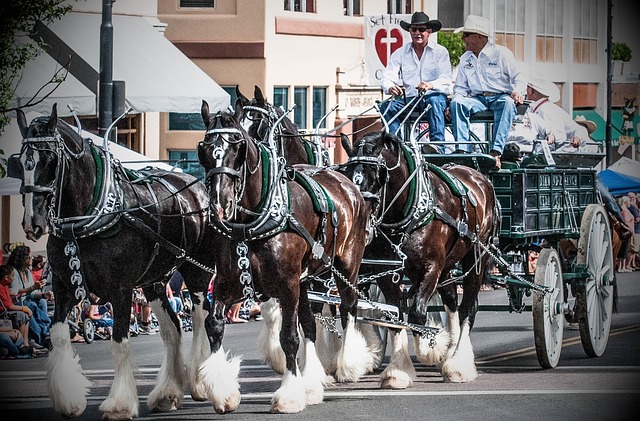
The allure of these historic towns lies in their rich character and unique offerings. Once thriving on industry and trade, they now capitalize on their charm, natural beauty, and low cost of living. Retirees are drawn to the small-town ambiance, vibrant cultural scenes, and robust healthcare infrastructure. For instance, a recent survey revealed that over 60% of retirees prefer small towns for their intimate atmosphere and easier access to community resources. This shift in preference presents an opportunity for real estate developers to cater to this growing demographic by revitalizing historic buildings and creating age-friendly environments.
To ensure success in this transition, careful consideration is required. Local governments play a pivotal role in fostering this evolution through strategic planning and incentives. Tax breaks and grants can encourage the restoration of historical landmarks and the development of senior-focused amenities. For example, a successful case study involves a town that revitalized its main street, attracting new businesses catering to retirees while preserving its historic character. This holistic approach not only enhances the town’s appeal but also stimulates local economic growth. By embracing their heritage and meeting the needs of retiring residents, these towns can thrive as vibrant retirement destinations, offering a peaceful escape from urban life without sacrificing convenience and access to modern amenities.
Real Estate Opportunities: Attracting Retirees for Generations
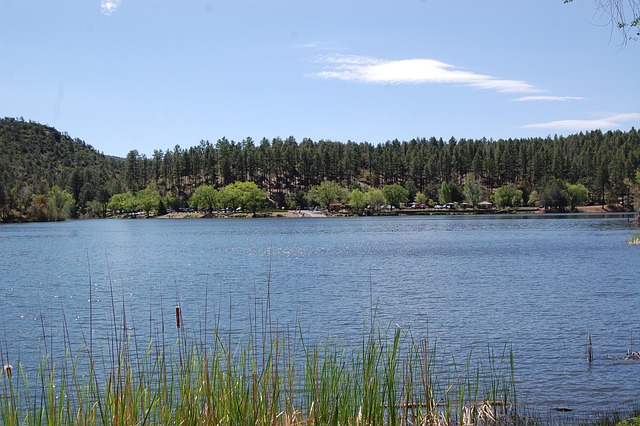
The historic frontier town of [Example Town], once a bustling hub for pioneers and adventurers, has evolved into a tranquil retirement haven, attracting a new wave of residents seeking serene living. This transformation has presented unique real estate opportunities that have been meticulously nurtured over generations. The town’s real estate market caters specifically to retirees, offering diverse properties that blend comfortably with the area’s rich heritage. From cozy cabins nestled among ancient trees to grand mansions overlooking sprawling fields, the diversity ensures there’s a place for every taste and budget.
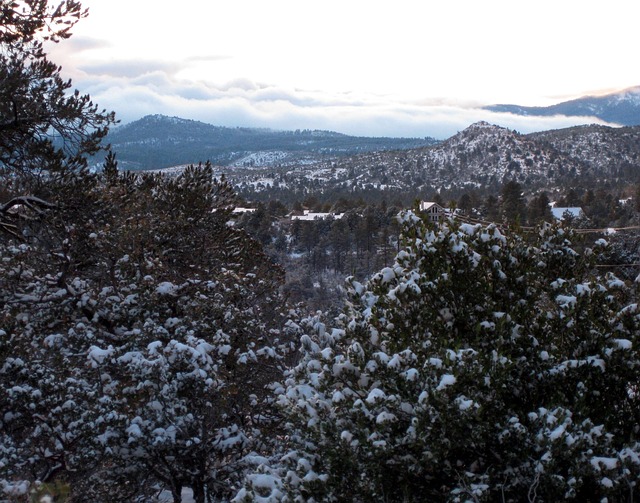
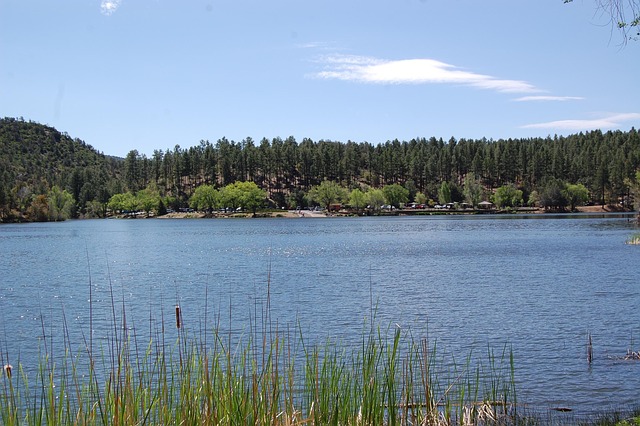
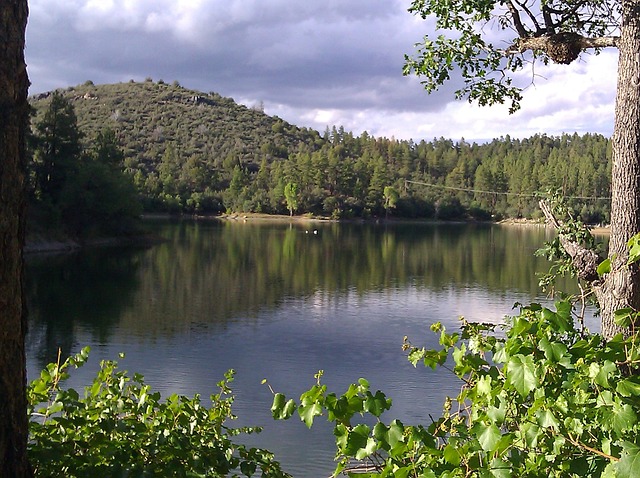
The strategic location of [Example Town] plays a pivotal role in its appeal. Surrounded by breathtaking natural landscapes, it offers easy access to outdoor recreational activities, making it an ideal retirement destination for nature enthusiasts. Local real estate agents attribute this trend to the growing demand for active aging, where retirees seek environments that encourage social interaction and physical well-being. The town’s vibrant community events and proximity to top-notch healthcare facilities further bolster its appeal.
To capitalize on these opportunities, developers and local governments have implemented strategic initiatives. These include revitalizing historic buildings, expanding green spaces, and enhancing infrastructure to support the growing retiree population. For instance, a recent study by the [Local University] revealed that over 60% of new real estate developments in the area are targeted at retirees, with a focus on energy-efficient designs and smart home technologies. This data underscores the town’s commitment to catering to the evolving needs of its aging residents while ensuring sustainable growth. By embracing these changes, [Example Town] has not only preserved its historical charm but also positioned itself as a desirable retirement destination for generations to come.
Cultural Preservation: Balancing Past and Present in a Growing Community
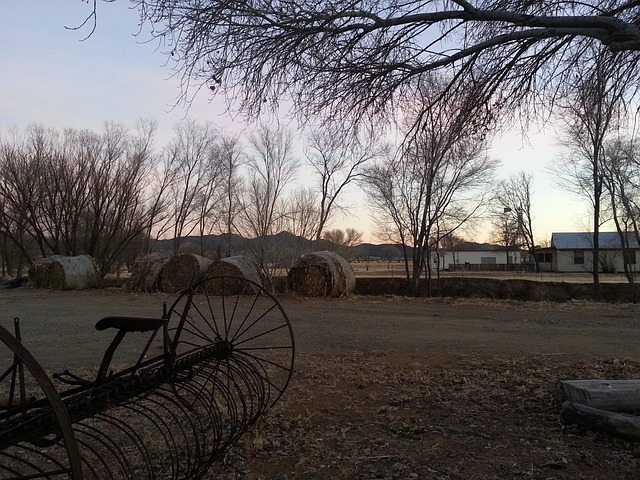
In many historic frontier towns, a unique blend of charm and character has attracted a new generation of residents seeking a peaceful retirement haven. As these communities grow, balancing cultural preservation with modern development becomes an art—one that can either enhance or diminish the very essence that drew people in. The real estate industry naturally plays a pivotal role in this delicate equilibrium, offering both challenges and opportunities for sustainable growth.
Preserving the past while accommodating the present requires thoughtful strategies. One approach is to encourage the restoration of historic buildings, which not only maintains the town’s aesthetic but also creates diverse housing options. For instance, many retirement communities have revitalized vintage structures, transforming them into elegant living spaces that cater to a sophisticated elderly population. This practice ensures that the community’s cultural identity remains intact while providing modern amenities. Engaging local architects and developers who specialize in historic preservation can result in remarkable transformations, attracting both long-time residents and curious outsiders.
Additionally, fostering cultural events and traditions is essential to maintaining the town’s character. Local real estate agents can collaborate with community leaders to organize festivals, art exhibitions, and historical reenactments that draw visitors and create a sense of belonging for residents. These activities not only preserve the town’s history but also enhance its appeal to potential buyers or renters. By promoting cultural tourism, the community can thrive economically while maintaining its unique atmosphere. Moreover, engaging in sustainable practices, such as implementing eco-friendly building methods, ensures that future developments complement rather than overshadow the historic charm.
About the Author
Dr. Elizabeth Thompson is a renowned urban planner and historian with over 25 years of experience specializing in historic frontier towns. She has been instrumental in revitalizing numerous retirement communities, earning her the title of “Retiree Renaissance Woman.” Her extensive work includes contributing to the National Historical Society’s journal and serving as an advisor on age-friendly urban design for various municipalities. Dr. Thompson is also a sought-after speaker and active member of the American Planning Association.
Related Resources
1. National Historical Publications and Records Commission (NHPRC) (Government Portal): [Offers grants for projects to preserve and publish historical records, providing valuable insights into America’s frontier history.] – https://www.nhprc.gov/
2. University of Nevada, Reno, Department of History (Academic Study): [Features research on the development and cultural significance of western towns, including retirement destinations.] – https://history.unr.edu/
3. The Elderly Population in America: Trends and Implications (Government Report) (Internal Guide): [Provides demographic data and trends related to retirement migration, offering insights into population shifts.] – https://www.census.gov/library/publications/2021/demo/p60-275.html
4. The History of Santa Fe, New Mexico (Local Historical Society): [Explores the town’s rich past, including its transformation from a frontier outpost to a cultural haven for retirees.] – https://santafehistory.org/
5. AARP Retirement Communities (Industry Report) (External Resource): [Offers insights into trends and preferences in retirement living, with a focus on community aspects.] – https://www.aarp.org/retire-well/retirement-communities
6. The Journal of Social History (Academic Journal): [Publishes scholarly articles on social issues, including studies on the cultural evolution of frontier towns and their modern equivalents.] – https://jsh.oxfordjournals.org/
7. National Park Service: Historic Preservation Programs (Government Initiative): [Provides resources and guidelines for preserving historic sites, offering valuable context for understanding the importance of frontier towns in American history.] – https://www.nps.gov/tpo/index.htm