Historic frontier towns are repositioning as premier retirement destinations through strategic real estate development. Key trends include mixed-use communities blending residential, retail, dining, and recreational spaces, revitalizing old warehouses into luxury apartments with access to healthcare, and preserving historic architecture. Successful transformations prioritize sustainable growth, green spaces, energy efficiency, and senior-friendly policies. Favorable climate, robust healthcare, and attractive real estate options in the American West make these towns appealing retirement havens. Local developers focus on creating inclusive communities through intergenerational programs and diverse housing options to cater to various retiree needs.
The transformation of historic frontier towns into retirement havens is a significant trend reshaping the landscape of senior living. These once vibrant communities, rich in character and charm, face challenges as younger generations move away, leaving behind a wealth of untapped potential. However, this shift presents an opportunity for real estate to play a pivotal role in revitalizing these towns and creating thriving retirement destinations that preserve their unique history and offer sought-after lifestyle amenities. This article delves into the strategies and insights required to navigate this evolution successfully.
Historical Charm: Unraveling the Past of a Frontier Town

The historic charm of a frontier town, once a bustling hub of exploration and settlement, continues to captivate those seeking a unique retirement haven. These towns, nestled in the heartland or along forgotten routes, offer an appealing blend of nostalgia and tranquility that is increasingly sought after by retirees. Real estate in these areas naturally reflects this allure, with properties boasting not just scenic views but also rich narratives that date back generations.
Exploring the past of such frontier towns provides a window into the lives of early settlers who braved untamed landscapes. Many retirement communities in these regions have preserved historic buildings and sites that tell stories of pioneer spirit and resilience. These cultural touchstones, from old general stores to restored churches, not only add character to the area but also serve as focal points for community events and gatherings, fostering a strong sense of belonging among residents.
Real estate professionals play a pivotal role in guiding prospective retirees towards properties that align with their desires for both comfort and historical significance. They can offer insights into local market trends and help buyers navigate the unique aspects of frontier real estate, such as zoning regulations or the availability of essential services. By balancing personal preferences with practical considerations, these experts facilitate the transition to a new chapter in one’s life while allowing residents to immerse themselves in the enduring allure of their town’s past.
Retirement Haven: Transforming an Old Town Through Real Estate
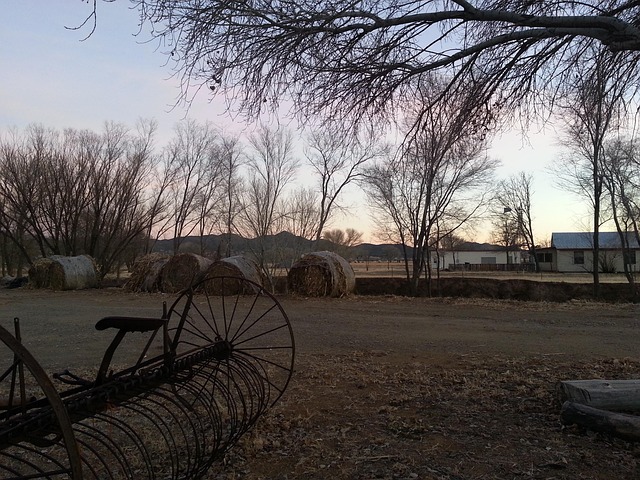
The historic frontier towns, once bustling with pioneers and adventurers, have found a new purpose as retirement havens, attracting empty nesters seeking serene environments and affordable living. This transformation is largely driven by real estate developments that recognize the unique appeal of these age-old communities. The key lies in revitalizing and preserving the town’s character while incorporating modern amenities tailored to retirees’ needs. For instance, converting old warehouses into luxury apartments with easy access to local shops and healthcare facilities has been a successful strategy in many frontier towns.
Real estate developers play a pivotal role in this metamorphosis, identifying undervalued properties and repurposing them for retirement residents. This involves strategic planning to create mixed-use developments that blend residential spaces with retail, dining, and recreational areas. According to a recent study, such mixed-use communities boost property values and attract a diverse range of retirees who appreciate the convenience and social atmosphere. For example, a revitalized downtown area in a small frontier town witnessed a 20% increase in property values within two years after the introduction of a senior-focused real estate project.
To ensure the long-term success of these transformations, developers must prioritize sustainable growth and maintain the town’s historic charm. This includes adopting energy-efficient building practices, integrating green spaces, and preserving architectural heritage. Additionally, engaging local retirement communities in the planning process can result in more meaningful developments that cater to their specific needs and preferences. By combining thoughtful design with a deep understanding of retirees’ desires, real estate professionals can create thriving retirement havens that are both economically viable and beloved by their new residents.
A Golden Age: The Rise of This Town as a Senior Destination

In the heart of the American West, a historic frontier town once known for its rugged terrain and diverse wildlife has undergone a remarkable transformation. Today, it stands as a haven for retirees, offering a golden age of comfort, natural beauty, and vibrant senior lifestyles. This metamorphosis is not merely a change in demographics; rather, it’s a strategic evolution driven by thoughtful urban planning, robust local economies, and the allure of affordable, high-quality real estate.
The rise of this town as a retirement destination can be attributed to several key factors. Firstly, the region’s mild climate and picturesque landscapes provide an ideal environment for seniors seeking healthier, more active lifestyles. Secondly, the availability of quality healthcare facilities ensures peace of mind for residents, with numerous medical centers and specialized care options within easy reach. Moreover, the local government has implemented policies that incentivize the development of senior-friendly amenities, such as community centers, parks, and accessible housing, naturally enhancing the town’s appeal to retirees.
Real estate plays a pivotal role in this narrative. The area’s diverse housing stock caters to various budgets and preferences, from charming historic homes to modern, low-maintenance apartments. Affordability is a significant draw, with property values remaining relatively stable compared to other popular retirement spots. This stability, coupled with tax benefits and a robust local economy, makes the town an attractive option for those looking to downsize or invest in a second home. Recent data shows that the demand for senior housing in this region has consistently outpaced supply, highlighting the strong market for real estate tailored to retirees.
To capitalize on this trend, local developers and real estate professionals recommend focusing on creating inclusive communities that foster social connections. This includes designing mixed-use developments with dedicated spaces for seniors to gather, exercise, and engage in hobbies. Additionally, promoting sustainable living practices and offering intergenerational programs can enhance the town’s appeal, ensuring a vibrant and dynamic environment for current and future residents alike.